Disclosure: two of the fifteen books below are mine, and this page is published by my company.
Every business owner is short on time. These fifteen books answer the question: which few should I actually read? Each one has shaped how I run SYSTEMology, and each one is here because it earned its place by changing how a real business gets run.
The list starts with the books I would hand any business owner looking to systemise, scale, or simply work less without losing control. Some are modern. Some are classics that belong on every shelf. Two are mine, because I wrote them specifically for this reader. The rest are the books I recommend most often in our SYSTEMologist Academy, in workshops, and on calls with members of our community.
Pick one, read it cover to cover, apply a single idea. That beats skimming ten and applying none.
1. Systemise your business, end the daily grind
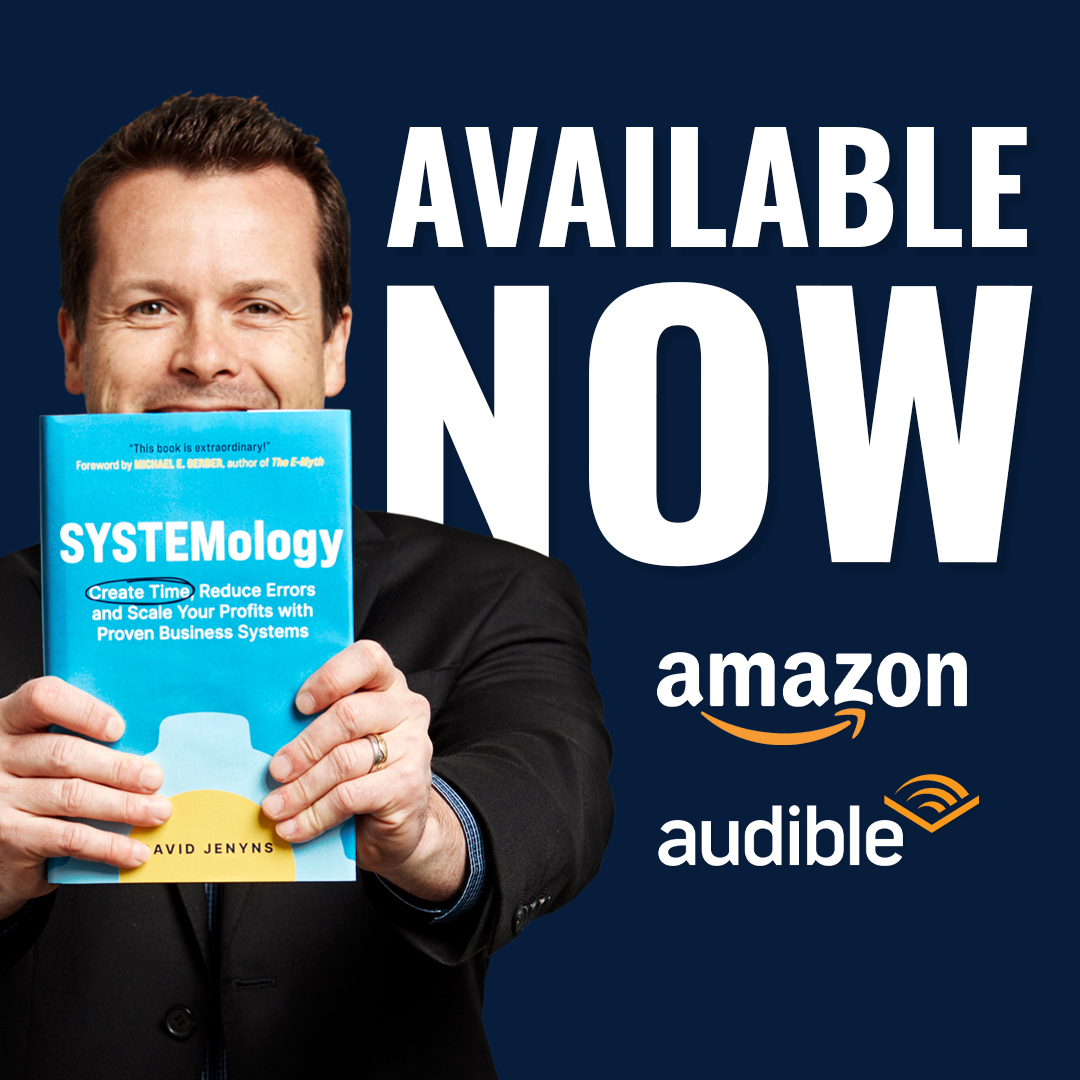
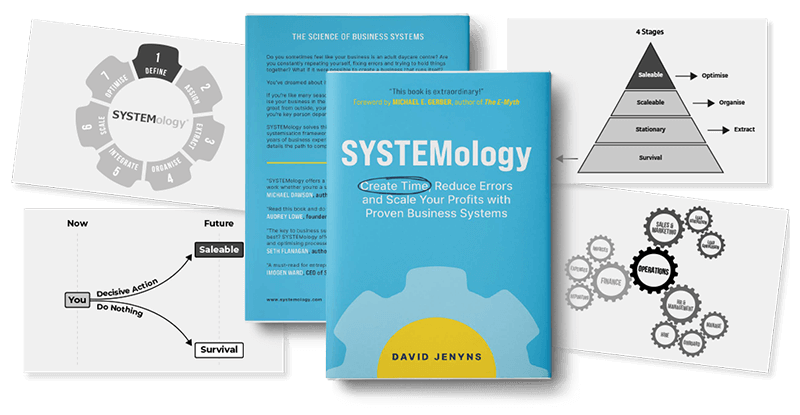
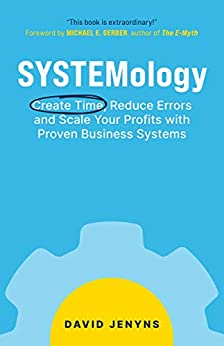
I’ll start with mine because I wrote it for exactly this reader. SYSTEMology is the playbook for documenting, optimising, and delegating the work of your business so it runs without you. It introduces the Critical Client Flow, the seven stages of systemisation, and the process-first mindset that ends the owner-dependency trap.
If you have never formally thought about your business as a set of systems, this is where to start. It gives you the vocabulary, the framework, and a practical step-by-step for the first 90 days. Every idea in it has been stress-tested across thousands of businesses, from tradies to agencies to professional services firms.
2. Work on your business, not in it
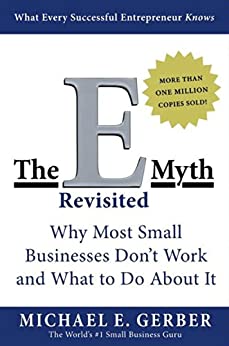
If there is one book I would hand to every first-time business owner, this is it. Michael Gerber lays out the hard truth that most small businesses are started by technicians who are good at their craft but completely unprepared to run the business that craft spawns.
The book introduces the distinction that has shaped a generation of thinking about small business: you are a Technician, a Manager, and an Entrepreneur, and the three do not agree on anything. Gerber’s “franchise prototype” idea, the thought experiment of building your business as if you planned to franchise it, is the seed of every modern systemisation framework including my own.
Gerber wrote the foreword for Systems Champion. The admiration runs both ways. Read this book and you will understand why owner freedom is a systems problem, not a willpower problem.
3. Get everyone on the same page
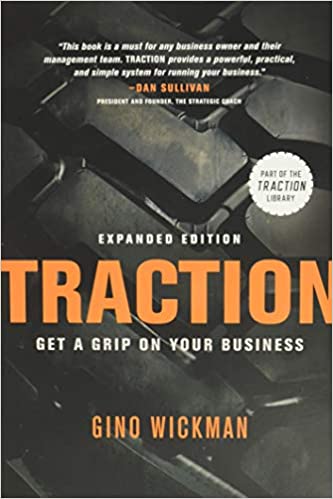
Traction introduced the Entrepreneurial Operating System (EOS), a complete framework for running a business with rhythm, accountability, and clarity. Where SYSTEMology focuses on documenting the work, Traction focuses on running the company that does the work. The two fit together cleanly.
What Traction gets right is the machinery of leadership: the 90-day rocks, the weekly level 10 meeting, the scorecard, the people analyser, the accountability chart. These are not abstract ideas. They are repeatable rituals that force misalignment into the open where it can be resolved.
Many of the most successful SYSTEMology members run EOS alongside the framework. Traction gives you the team operating cadence. SYSTEMology gives you the documented systems that cadence operates on.
4. Get your team playing the same game
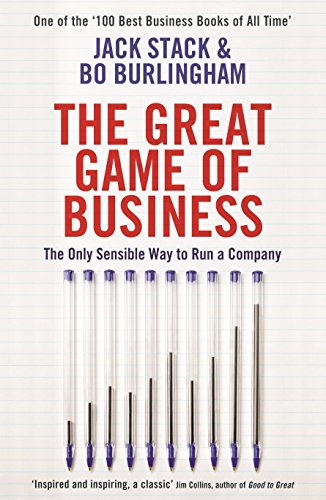
Stack saved a dying factory by teaching the team to read the financials and turning the whole business into a game everyone could score. Three decades later it is still the best book ever written on open-book management and team engagement.
If you have ever felt like only you care about the numbers, this book is the cure. Stack argues that employees behave like owners when you give them a real scoreboard, real numbers, and real stakes. The case studies are from manufacturing but the principles translate straight into any service business, agency, or SaaS company trying to build a culture of commercial ownership.
Read it alongside the scoreboard chapter of Systems Champion. Same idea, different context, mutually reinforcing.
5. Marketing that actually fits on one page
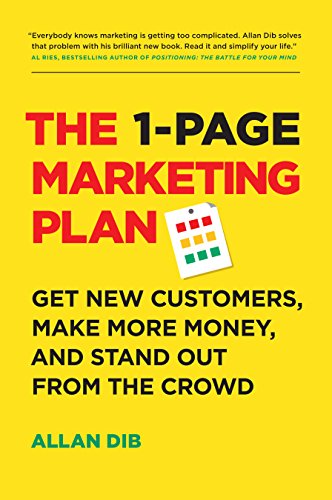
If you have ever been handed a 60-page marketing strategy document that nobody will ever read, this book is the antidote. Allan Dib collapses marketing into a single page that forces you to answer the nine questions that actually matter: who, what, where, how, and how often.
I recommend this to nearly every SYSTEMology member working on the marketing department of their Critical Client Flow. It gives you the vocabulary and the structure to design a marketing system rather than just run tactics. Allan is a friend of the framework and has spoken at our events. His book belongs in every small business library.
6. Grow a business on purpose, not by accident
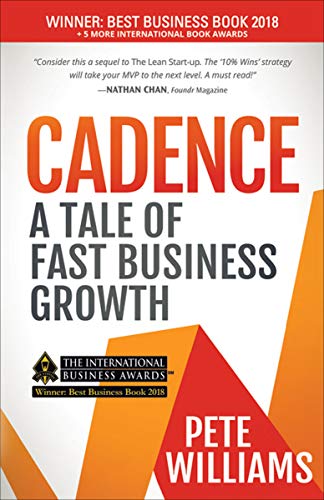
Pete Williams wrote Cadence as a business fable, which sounds lightweight until you actually read it. It is the most practical explanation of the 7 Levers of Business I have found. Every business only has seven variables you can actually improve, and most owners obsess over one or two while ignoring the rest.
Cadence shows you how to know which lever to pull next. For owners who tend to chase shiny strategy ideas, it is a reset. Pete is also a long-time friend of SYSTEMology and has influenced a lot of how I think about growth beyond the system itself.
7. Find and keep A-players
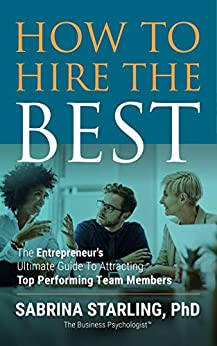
Hiring is the weakest system in most small businesses. Sabrina Starling’s book fixes that with a practical, repeatable process for attracting and selecting A-players specifically for small business environments, where you cannot afford to hire the wrong person and then spend a year unwinding the mistake.
What I love about this book is the honesty. Starling does not pretend hiring is easy. She gives you the questions, the profile work, the filtering steps, and the tracking tools to do it less badly. Combine the Systems Champion role description with Starling’s hiring process and you have a genuinely repeatable way to build your first real support team.
8. Build a repeatable sales engine
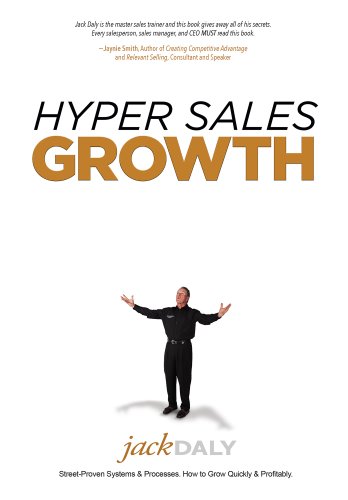
Jack Daly is a sales coach who refuses to let anyone treat sales as mystical. Hyper Sales Growth is a straightforward playbook for turning sales into a repeatable system rather than a cult of personality around a single rainmaker.
The book covers the sales playbook, the cadence of sales meetings, the scorecards, the hiring profile, and the culture shift from “our best salesperson carries the business” to “our system produces consistent sales”. If sales is the department that still falls apart when you are on holiday, this is the book to read.
9. Hire and empower the person who finishes the job
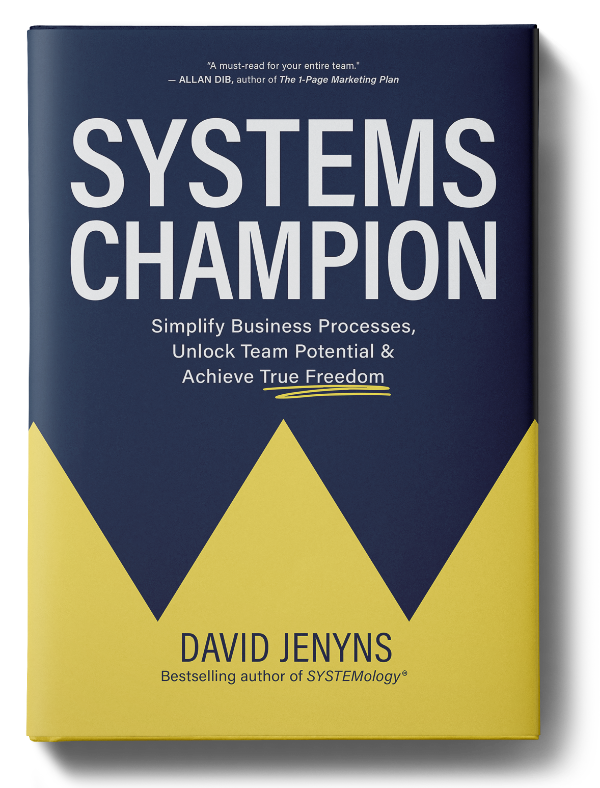
The sequel to SYSTEMology, and the book that answers the question nobody wanted to ask out loud: who is actually going to document all these systems? It is not going to be the business owner, and it probably should not be. Systems Champion is the book about the role you need in your team to carry systemisation forward after you hand off the framework.
It introduces the Minimum Viable Systems framework (seven systems per department, roughly 42 total), the scoreboard gamification that keeps momentum alive, and the System for Creating Systems 2.0 that uses AI to cut documentation time from hours to minutes. There is also a full position description, hiring guide, and compensation structure for the role.
Read SYSTEMology for the framework. Read Systems Champion for the person. Together they answer the two questions every business owner asks sooner or later: where do I start, and who is going to help me finish?
10. Price yourself with confidence
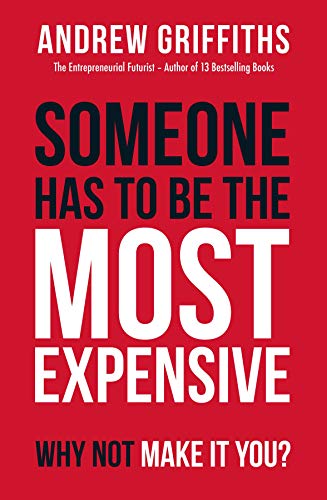
Pricing is where most small business owners get shy. Andrew Griffiths takes the shyness on directly and makes a compelling argument for why premium pricing, when backed by genuine delivery, is better for the buyer and for the business. It is not a cynical “charge more” book. It is a framework for being the most expensive and earning the right to be there.
The thing this book does better than most is connect pricing to positioning. If you are about to systemise your delivery, this book will make sure you are not systemising yourself into a race to the bottom.
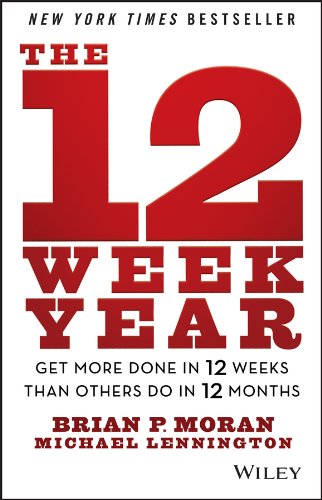
11. Execute with precision, not annual ambition
Annual plans fail because a year is too long. Moran and Lennington argue for compressing the planning cycle to twelve weeks, where focus is possible and accountability is tight. The method has become a staple of ambitious founders for good reason: it forces the right balance between ambition and realism.
For the business owner running through systemisation, the 12 Week Year pairs beautifully with the Minimum Viable Systems scoreboard. Pick the critical systems for the next twelve weeks, build the scoreboard, and let the rhythm do the rest.
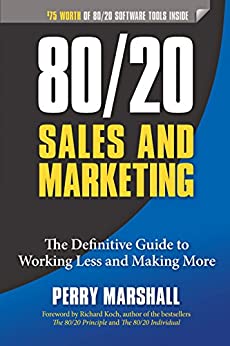
12. Find the 20 per cent that produces 80 per cent
Perry Marshall takes the Pareto principle and runs it hard across sales and marketing. He argues, with a lot of data, that 80/20 is not a one-time rule. Inside every 80/20 is another 80/20. The top 20 per cent of your customers contain a top 20 per cent who are the real 4 per cent who drive 64 per cent of outcomes, and so on.
This book will change how you think about every system in your business. Where is the 4 per cent of effort producing 64 per cent of the result? Where is the 64 per cent producing the 4 per cent? Once you start looking through this lens you find optimisation opportunities everywhere, and you stop burning hours on work that will never matter.
13. Design the business to run without you
Michalowicz asks the same question SYSTEMology does, from a different angle: what would it take for you to leave for four weeks with your phone off? Clockwork gives you a way to find the one function the whole business protects, work out who is doing what, and shift the team from doing to designing.
If SYSTEMology is the how, Clockwork is a good argument for the why, and the four-week vacation test is a target worth putting in the diary.
14. Buy back your hours before you buy anything else
Martell’s premise is that owners do not have a time problem, they have a delegation problem. His audit is simple: list everything you do, score it by how much energy it gives you and how much it is worth, and hand off the low-value, low-energy work first.
The book is at its best on the mechanics of hiring an assistant and a replacement for yourself, which is exactly the point where most owners stall.
15. Build something a buyer would actually want
Written as a story, which makes it a quick read, and the lesson lands harder for it. Warrillow follows an agency owner who cannot sell his business because it is him. The fix is to pick one repeatable offering, standardise it, make it teachable and take the founder out of delivery.
Whether or not you ever sell, running your business as if you will is the surest way to end up with an asset instead of a job.
Frequently asked questions
What is the best business book for a small business owner?
If you only read one, read the one that matches the problem in front of you. Stuck in the daily grind: SYSTEMology or The E-Myth Revisited. No clear plan: Traction. Selling badly: The Ultimate Sales Machine. Want to step away: Clockwork or Built to Sell.
In what order should I read these books?
Start with the systems books, because they change how you read everything else. Then marketing and sales, then hiring, then pricing and execution. Fifteen books is a year of reading at one a month, and that is the right pace to apply each one.
Which of these books are about business systems?
SYSTEMology, The E-Myth Revisited, Clockwork and Built to Sell are directly about building a business that runs without the owner. Traction and The 12 Week Year cover the operating rhythm that keeps those systems alive.
Final word
A book, on its own, will not change your business. Ten books will not either. The shift happens when one idea from one book gets applied to one system in your business, this week, not someday. Pick the book that matches where you are stuck. Read the chapter you need. Document one thing. Move on.
If you want the shortest path from stuck-as-owner to business-that-runs-without-you, start with the two I wrote for you and then work through this list as you need them. The rest is momentum.
Systemise Your Business In Weeks, Not Years.
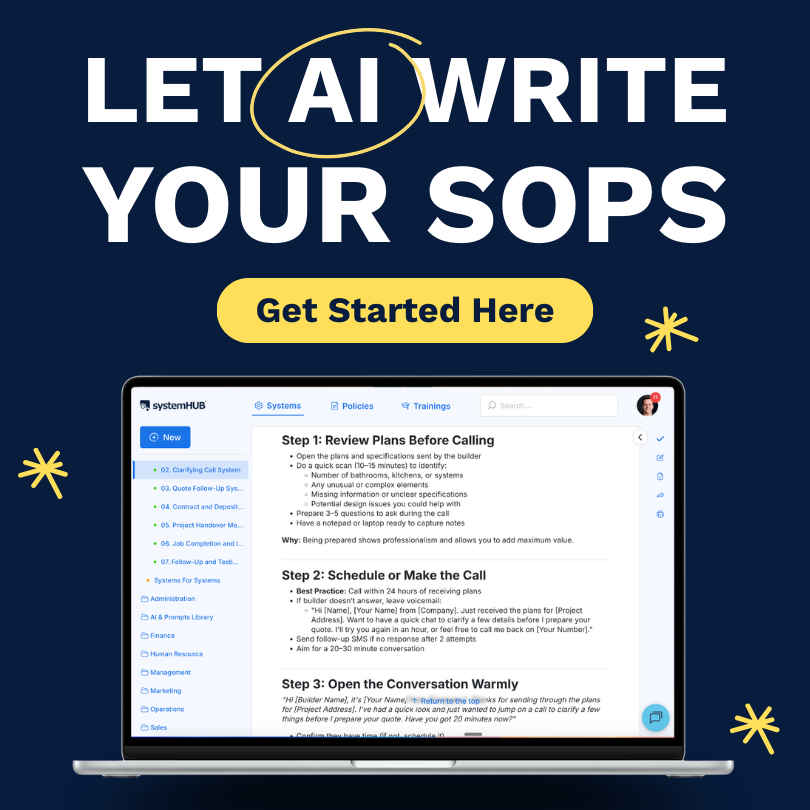
Reading about systems is a start. Actually documenting them is the shift. systemHUB is where your systems live, get run, and get better: AI-assisted SOP drafting, a central library, role-based access, and the SYSTEMology framework built in. Free trial, no credit card.