Here’s a question worth sitting with. Why will people pay for the privilege of working harder at sport than they’ll work when they’re being paid? Charles Coonradt, author of The Game of Work, spent decades studying this puzzle. His answer is simple: business gamification works because of scorekeeping. In sport, everyone knows the score. Progress is visible. Feedback is instant. Winners and losers are clear.
In most businesses, the opposite is true. People show up, do their work, and wait weeks or months to find out if it mattered. Gallup’s 2024 research found that just 46% of employees clearly know what’s expected of them at work. If people don’t even know the target, they certainly can’t tell you the score.
Most gamification advice misses this entirely. It pushes badges, points, and leaderboard apps. Those are surface mechanics. They wear off in weeks. Real business gamification, the kind that changes how a company performs, is about making measurement visible, self-administered, and connected to outcomes that matter. As SYSTEMology founder David Jenyns puts it, it’s not about making work feel like a game. It’s about giving people the same clarity that makes games worth playing.
This article breaks down the five principles that make gamification work, shows you what it looks like in real businesses, and gives you a starting point that doesn’t require any software.
Why Most Business Gamification Fails
Walk into most businesses that have “tried gamification” and you’ll find the same story. Someone installed a points system. Maybe there’s a leaderboard on a TV screen in the office. Badges get awarded for completing training modules. It worked for a few weeks. Then everyone stopped caring.
The problem isn’t that gamification doesn’t work. It’s that these businesses gamified the wrong thing. Points and badges are cosmetic. They don’t connect individual effort to business results. When the novelty fades, there’s nothing underneath to sustain motivation.
Coonradt identified this decades ago. The reason sport is engaging isn’t the trophy at the end. It’s that the scoreboard is running the entire time. Players know exactly where they stand, what they need to do, and whether their effort is making a difference. Imagine football without a scoreboard. Empty stands. Nobody watching. Nobody caring.
That’s what most workplaces look like. Not because people don’t care about their work. But because nobody is keeping score in a way that’s visible, objective, and tied to something meaningful.
“People will pay for the privilege of working harder in recreation than they will work when they are paid. The difference isn’t the activity. It’s the scorekeeping.”
— Charles Coonradt, The Game of Work
What Real Gamification Looks Like: 5 Principles
Coonradt’s Game of Work framework has been applied at Pepsi, Coca-Cola, Boeing, and hundreds of small businesses. Forbes called him the “Grandfather of Gamification.” The principles aren’t complicated. But they require a shift in how business owners think about measurement.
1. Clearly Defined Goals
Every goal needs to answer three questions. How many or how much? By when? By whom?
Vague expectations produce vague results. “Improve customer satisfaction” gives nobody a target. “Increase our client retention rate from 72% to 80% by September” gives everyone something concrete to aim at. The specificity is what creates the pull.
2. Better Scorekeeping
This is the core of real gamification. Scorekeeping must be objective, self-administered, and comparable to past performance. Employees shouldn’t depend on a supervisor to tell them how they’re performing. They should know the score as the game progresses.
Coonradt’s key metric is the Results-to-Resource Ratio: what’s being accomplished with available resources? Sales per team member. Defective units per thousand produced. Average transaction per customer visit. Revenue per employee. Find the one ratio with the biggest business impact and make it visible to everyone.
The ratio works at every level. A massage therapist can track client hours per week. A construction team can track rework incidents per project. An admin team can track invoice processing time. The point is a single number that connects individual effort to business outcomes.
💡 Tip: Pick one Results-to-Resource Ratio that your team can directly influence. Sales per team member. Client satisfaction per therapist. Projects completed per week. Start with one number everyone can see. Add more later.

3. Frequent Feedback
In sport, you know the score after every play. In most businesses, people wait months for a performance review that tells them how they did last quarter. That gap between action and feedback is where motivation dies.
Daily or weekly updates beat quarterly reviews every time. The shorter the feedback loop, the faster performance adjusts. This doesn’t mean more meetings. It means making the numbers available so people can check their own score whenever they want.
4. Consistent Coaching
When measurement is visible, the manager’s role shifts. Instead of evaluating people after the fact, they become coaches. The numbers tell you where to focus. The coach helps the team improve.
This is a significant change for most business owners. It moves management from judgment to support. The scoreboard handles accountability. The manager handles development.
5. Personal Choice
People commit to goals they set themselves. When employees participate in choosing what gets measured, setting their own targets, and deciding how they’ll hit them, motivation becomes internal. This isn’t about lowering standards. It’s about giving people ownership within clear boundaries.
When someone chooses a goal, they simultaneously accept the cost of pursuing it. That’s fundamentally different from being told what to do by a manager who hands down targets from above.
“Winners keep track of results. Losers keep track of reasons.”
— Charles Coonradt
If nobody on your team knows the score right now, what’s that costing you?
Invisible performance leads to inconsistency, rework, and wasted hours that compound over time. The free Cost of Chaos Calculator puts a number on it.
Gamification in Action: Two Businesses That Made Measurement Visible
These five principles sound straightforward on paper. Here’s what they look like when applied in real businesses.
Taking Care Mobile Massage: From Paper to Scoreboard
Sandra Allars started Taking Care Mobile Massage nearly 20 years ago as a solo therapist bringing wellness to elderly clients across Melbourne. By the time the business employed over 40 therapists serving thousands of clients through home care packages, the systems holding it together were mostly paper-based and entirely dependent on Sandra.
COVID-19 forced the issue. With staff working from home, paper processes became unsustainable. Sandra’s daughter Abby stepped into the Systems Champion role, replacing manual tracking with digital dashboards through Microsoft Teams and Asana. For the first time, individual therapist performance, client satisfaction, and service delivery efficiency became visible to the whole team.
The shift from invisible to visible measurement enabled the business to grow from handling 1,000 massage hours per month to targeting 2,000 to 3,000 hours. Sandra is now preparing the business for a profitable exit, something that would have been impossible without documented, measurable systems underneath.
As Sandra puts it: “Having structure in your business is really important, but having the right people in the right positions is more important. That’s the one thing I have learned about running a business.” You can find her full story on the SYSTEMology client stories page.
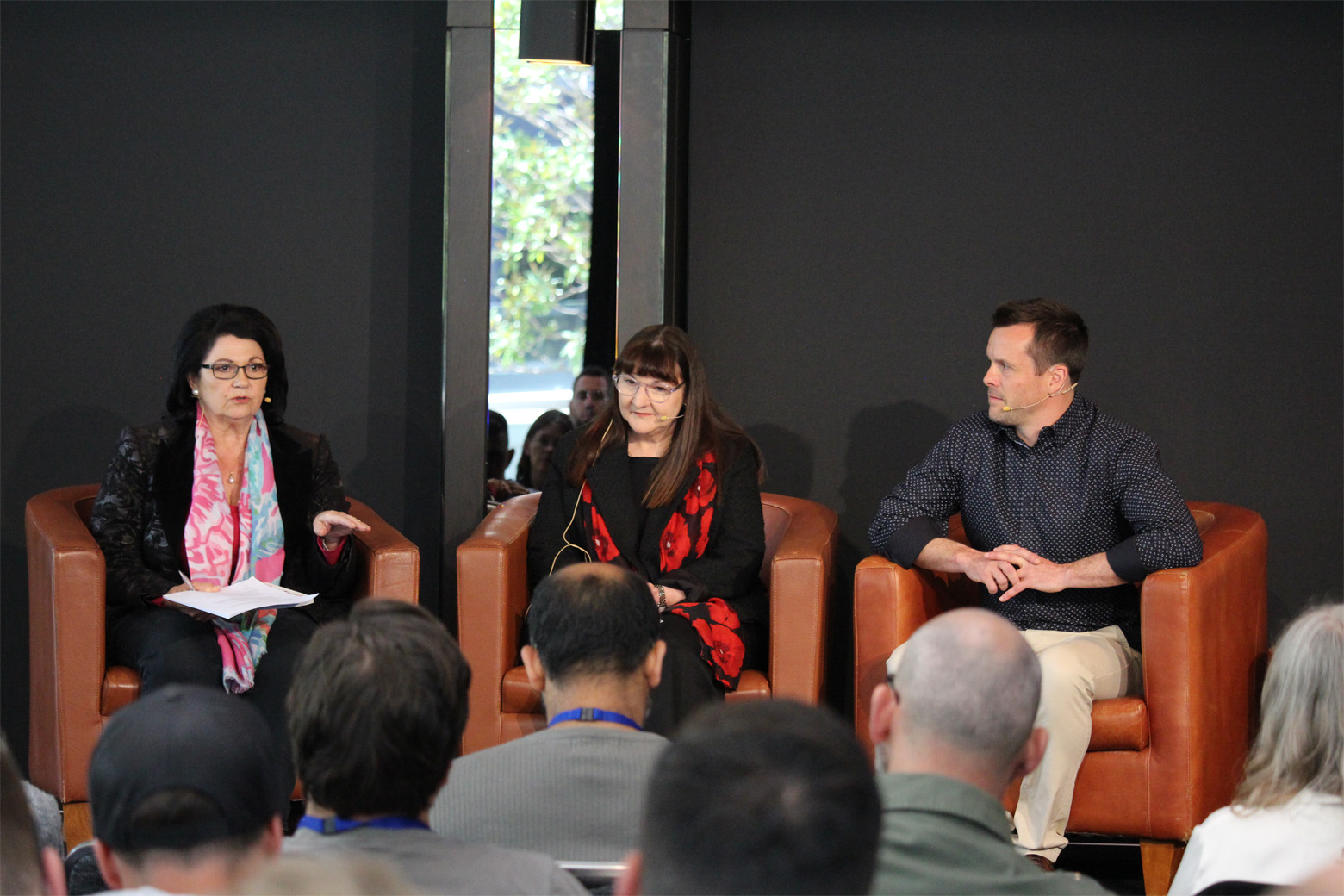
Lime Therapy: When the Team Asks for Measurement
Renee Kelly started Lime Therapy 15 years ago as a solo occupational therapist working from her farm in Mildura. Today, the practice employs 40 people across physiotherapy, occupational therapy, speech pathology, and exercise physiology, operating from a purpose-built facility with a hydrotherapy pool and gym.
The turning point came when Renee and her husband Matt found their Systems Champion: Kaleb Grant, a young occupational therapist who’d been with the business for two years. What made Kaleb right for the role wasn’t experience or seniority. It was his natural instinct for organisation and genuine curiosity about how things worked. Renee and Matt gave him protected time to focus on building measurement and documentation systems.
“People started coming to me saying, ‘I want to do what Kaleb’s doing. I don’t know what he’s doing, but it looks fun!’”
— Renee Kelly, Lime Therapy
Kaleb worked with the people who did each task best to build the measurement systems from the ground up. “Having systems set up really increases our timely work and making sure it’s the highest quality it can be,” Kaleb explains. “Meeting with the people who do it best” is how he describes his approach to the Systems Champion role.

The results were practical and immediate. Invoicing time dropped tenfold. The team justified their expansion into a new facility through measurement data rather than gut feel. But the cultural shift mattered even more. “We just stood at the front of the team and said, we’re all going to start systemizing,” Renee shares. “The culture changed quickly. Really quickly.”
The best evidence of genuine gamification? Renee says team members started approaching Kaleb unprompted, wanting to be involved.
Lime Therapy’s team started asking for systems. Would yours?
The free System Strength Test gives you a quick read on where your business stands and where the gaps are hiding. It takes two minutes.
How to Start Gamifying Your Business (Without Software)
You don’t need a gamification app. You don’t need a custom dashboard. You need visible measurement. Here’s how to start this week.
Pick one metric. Choose a Results-to-Resource Ratio that connects individual effort to business outcomes. Not ten metrics. One. Revenue per team member. Client hours per therapist. On-time delivery rate. The number should be something your team can directly influence through their daily work.
Make it visible. Whiteboard in the office. Shared spreadsheet. Weekly team huddle. The format matters far less than the visibility. If people can’t see the score, they can’t play the game.
Let the team self-administer. If employees need a manager to tell them the score, the system is too complicated. Design it so people can check their own performance without waiting for a report or a review.
Celebrate wins. Not with badges. With genuine recognition tied to specific measured achievements. When someone hits a target, acknowledge it immediately and specifically. Recognition works when it’s timely, public, and connected to the number everyone has been watching.
Scorekeeping only works when the numbers live where your team already works.
systemHUB gives every team member one-click access to processes, metrics, and training from a single searchable platform. No more hunting through shared drives or asking the boss.
David Jenyns points out that measurement is one component of a wider systemisation journey. The SYSTEMology seven-stage process covers the full picture, from defining critical systems through to building the culture that sustains them. Gamification through scorekeeping is the piece that makes the work visible and motivating. But it works best when there are documented, consistent systems underneath.
💡 Tip: Start with a weekly team huddle where one number gets reported. Not a long meeting. Five minutes. One metric. Everyone sees it. Next week, report the same number again. Consistency turns a metric into a scoreboard.
Where Gamification Fits in the Bigger Picture
Scorekeeping is powerful on its own. But without documented systems underneath, you’re measuring inconsistent processes. Without a Systems Champion driving the work, measurement initiatives fade after the initial enthusiasm wears off. Without a methodology tying it all together, gamification becomes another management fad that didn’t stick.
The businesses in this article succeeded because they combined visible measurement with the SYSTEMology methodology: documented systems, trained teams, and a culture that treats consistency as a competitive advantage. Sandra Allars and Renee Kelly didn’t just start tracking numbers. They built the systems that made those numbers meaningful.
Business gamification works when it’s built on a foundation of real business systems. The scoreboard means nothing if the game isn’t well designed. But when you get both right, the result is a team that manages itself, improves without being pushed, and creates the kind of momentum that compounds over time.
Scorekeeping shows you the score. The SYSTEMology method shows you how to build the game.
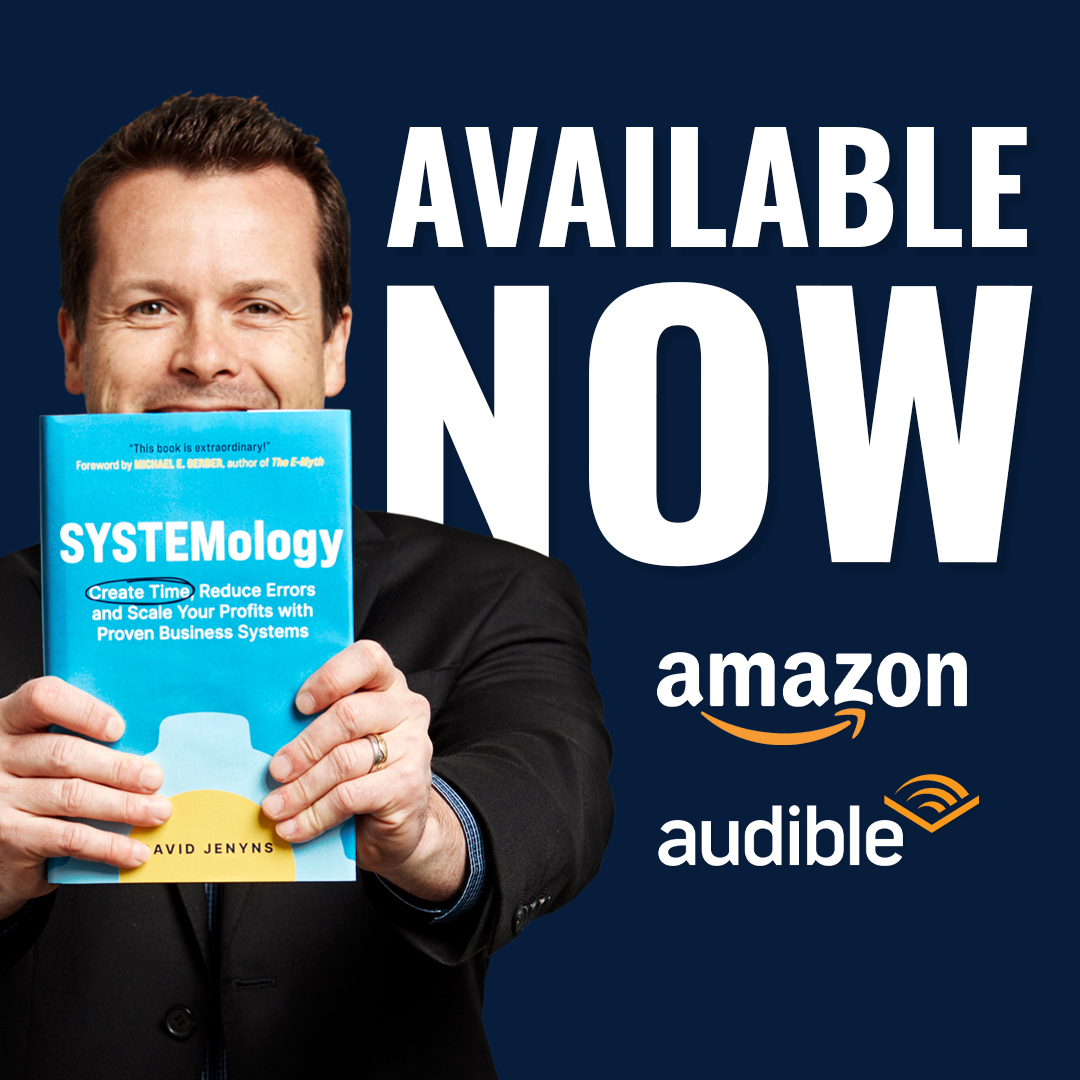
David Jenyns’ book covers all seven stages, from defining your critical systems to building a team that runs them without you. It’s the playbook behind every case study in this article.
Gamification FAQ
What is gamification in a business context?
It’s making work more engaging by applying the principles that make sports compelling: clear goals, visible scorekeeping, frequent feedback, coaching, and personal choice. It’s not about badges or points. It’s about measurement that motivates.
How is gamification different from regular performance management?
Traditional performance management evaluates people after the fact through quarterly reviews and annual appraisals. Gamification gives people the score in real time so they can adjust their own performance as they go.
Do I need gamification software to get started?
No. A whiteboard, a shared spreadsheet, or a weekly team huddle works. The principle is visibility, not technology. Software helps as you scale, but it’s not the starting point.
What metrics should I gamify first?
Pick a Results-to-Resource Ratio: one number that connects individual effort to business outcomes. Revenue per team member, client satisfaction per therapist, projects completed per week. Start with one metric everyone can influence.
How do I avoid gamification feeling forced or manipulative?
Let employees participate in choosing what gets measured and how goals are set. Self-administered scorekeeping feels empowering. Top-down surveillance feels controlling. The difference is ownership. The Systems Champion approach is built around this principle: the team builds the systems, not just the owner.
Can gamification work in creative or service businesses?
Absolutely. Service businesses often benefit most because measurement makes invisible work visible. Lime Therapy, an allied health practice with 40 staff across multiple disciplines, used scorekeeping to reduce invoicing time tenfold and justify expansion into a new facility.
How does gamification connect to business systems?
Scorekeeping measures the output of your systems. Without documented processes underneath, you’re measuring inconsistency. The strongest results come from combining visible metrics with a systematic approach to how work gets done. The SYSTEMology process covers this from start to finish.