Key Takeaways
- A systems-dependent business runs on documented processes, not the owner’s constant presence.
- Every time you jump in to “rescue” the business, you reinforce the pattern of dependency.
- Owner-dependent businesses sell for significantly less and are harder to exit.
- Start small: systemize the delivery of one core product or service first.
- You probably shouldn’t document your own systems. Find someone who thinks in processes.
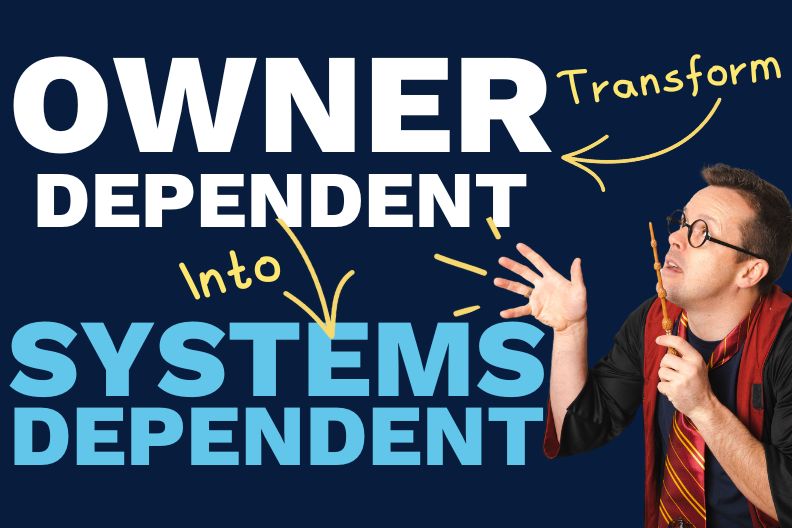
A systems-dependent business runs on documented processes rather than relying on the owner’s constant involvement. Instead of the business owner being the go-to person for every problem, the team follows established workflows and knows exactly how to handle situations because “this is the way we do things” is documented, trained, and followed.
Most small businesses operate the opposite way, unfortunately.
The owner holds all the answers. The team waits for direction. Clients expect the founder to solve their issues. According to a Capital One survey, 48% of small business owners experience burnout every month. Research from The Alternative Board shows they spend 68% of their time working “in” the business rather than “on” it.
If that sounds familiar, here’s how to make the shift.
The Owner-Dependency Trap
You know how to do the thing. You’re a hairdresser who can cut hair. A web designer who knows code. An accountant who understands the numbers. So when pressure hits, you jump in.
“All hands on deck!” “Business owner to the rescue!”
You solve the problem. Everyone breathes easier. But here’s what you don’t see: every time you jump in, you reinforce the pattern. Your team learns to wait for you. Your clients expect you to handle it. You’ve collected all this evidence that when things go sideways, you’re the only one who can fix it.

The cost goes beyond exhaustion. Owner-dependent businesses are harder to sell. According to Value Builder System research, businesses that can operate without the owner command valuations 71% higher than those that can’t.
If your business can’t function without you, buyers see risk. And they discount accordingly.
You didn’t start a business to own the worst job in the world. So how do you get out?
Building a Business Without the Owner in It
SYSTEMology founder David Jenyns learned this the hard way with Melbourne Video Production. It was the first business he built where he couldn’t do the technical work himself. He’s not a videographer; he doesn’t shoot or edit videos. That constraint forced him to build the business without himself “in” it from day one.
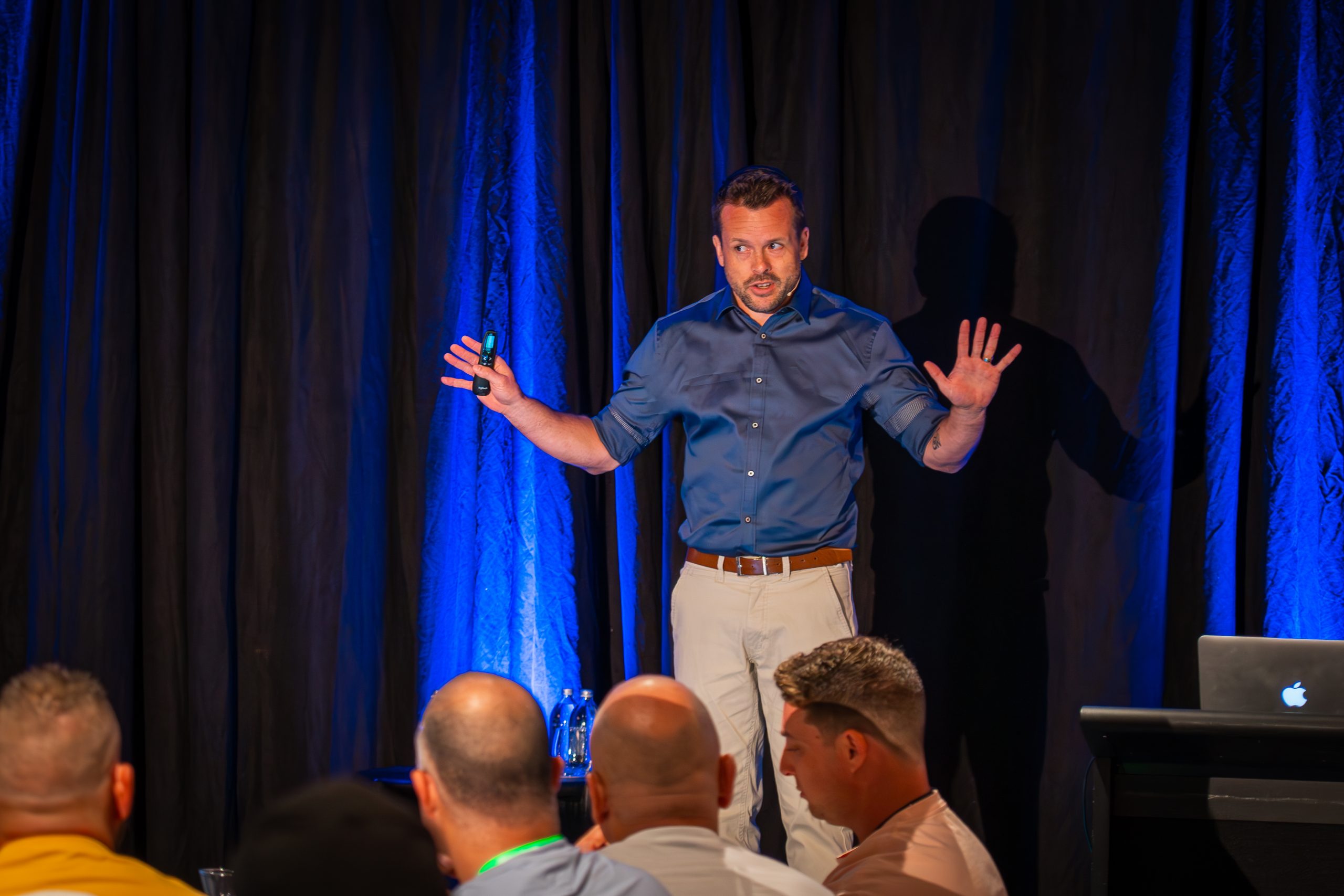
And once he saw it could be done, everything changed. He took that model and applied it to Melbourne SEO Services and other product lines where he’d previously been the bottleneck.
You don’t need to remove yourself from everything overnight. Start with one thing: delivering your core product or service without you. Get it to the point where even when troubles come up, your team handles it. That’s the first domino.
The Engine of a Systems-Dependent Business
The core of this model is a standardized offering; something a trained team member can deliver consistently, without you hovering over their shoulder.
Think of it as making your delivery a little “cookie-cutter.” Document the steps. Train your team. Create a clear path from start to finish.
What about custom work? Charge premium rates for anything outside your standard process. That premium pays for a more senior team member to handle it. You’ve now got a layer of defense between you and the exceptions. The bespoke stuff becomes exactly that: the exception, not the rule.
A vanilla offering with clear steps is easier to hire for. Easier to train for. Easier to deliver at a consistent quality. And it frees you from being the person everyone depends on.
Your First Step Toward Systems-Dependency
Here’s something practical you can do this week. Identify one client journey. One product. Map the steps from first contact to delivery completion. This is what we call your Critical Client Flow. It’s the backbone of your business, made visible.
Now, here’s key advice: you probably shouldn’t be the one documenting your steps or your processes, in general. The truth is, business owners are often the worst people to create systems: You’re too close. You move too fast. You skip steps without realizing it.
Find someone on your team who thinks in processes. It doesn’t have to be the most tenured or most experienced member. Or hire someone like a Systems Champion.
Your job is to get out of the way and let them build your systems.
Make the Shift from Owner to Systems-Dependent
You don’t need to systemize everything at once. Trying to do too much too fast is one of the main reasons business owners give up on systems altogether.
But once you see systemization work, you’ll never go back. You’ll start looking at your entire business differently: not as a series of problems only you can solve, but as a collection of systems that can be documented, improved, and handed off.
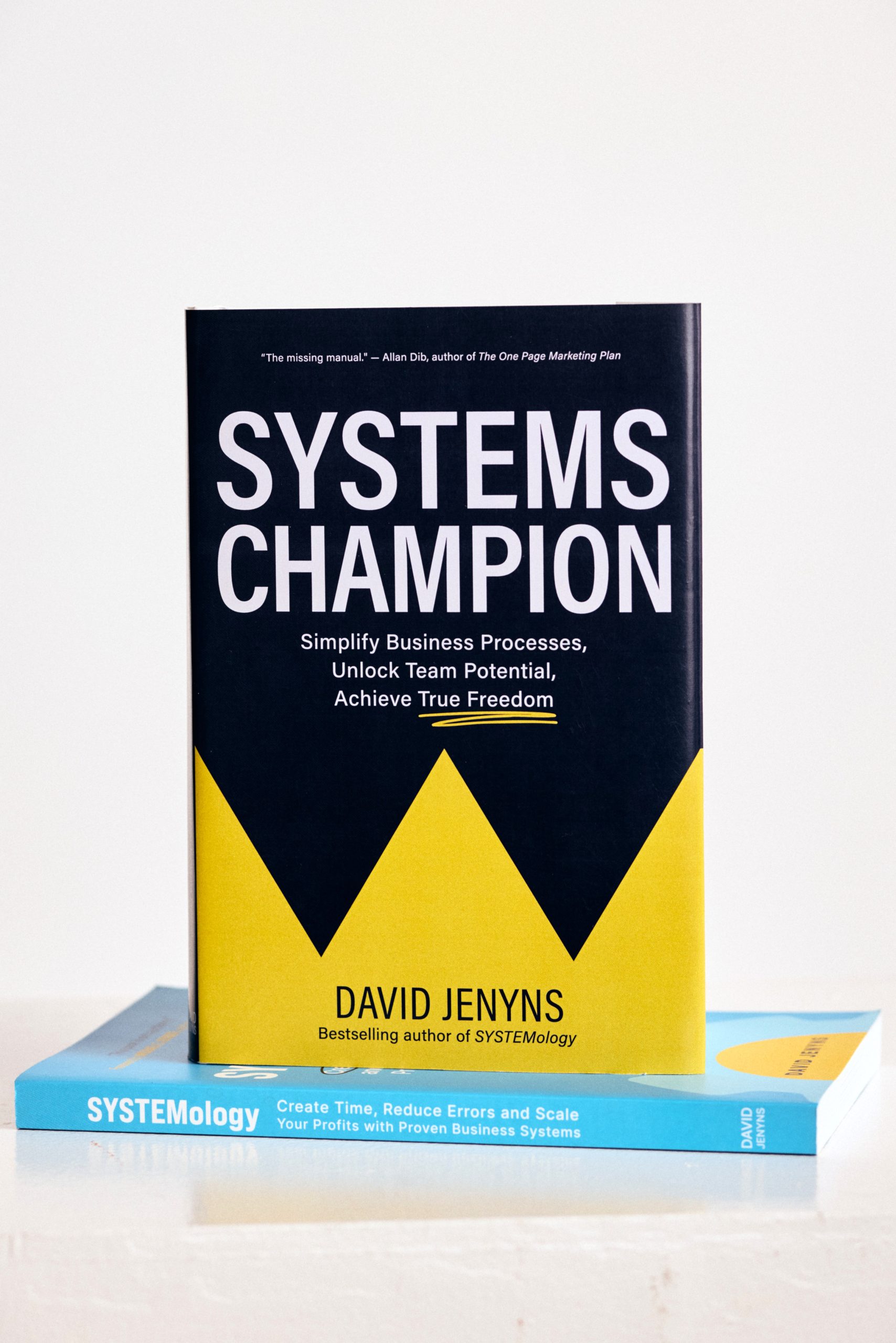
If this sounds like the direction you need, the SYSTEMology book is where most people start, as it lays out the methodology from first step to last. Once you’re ready to hand off the reins, the Systems Champion book shows you how to find the right person to lead it.