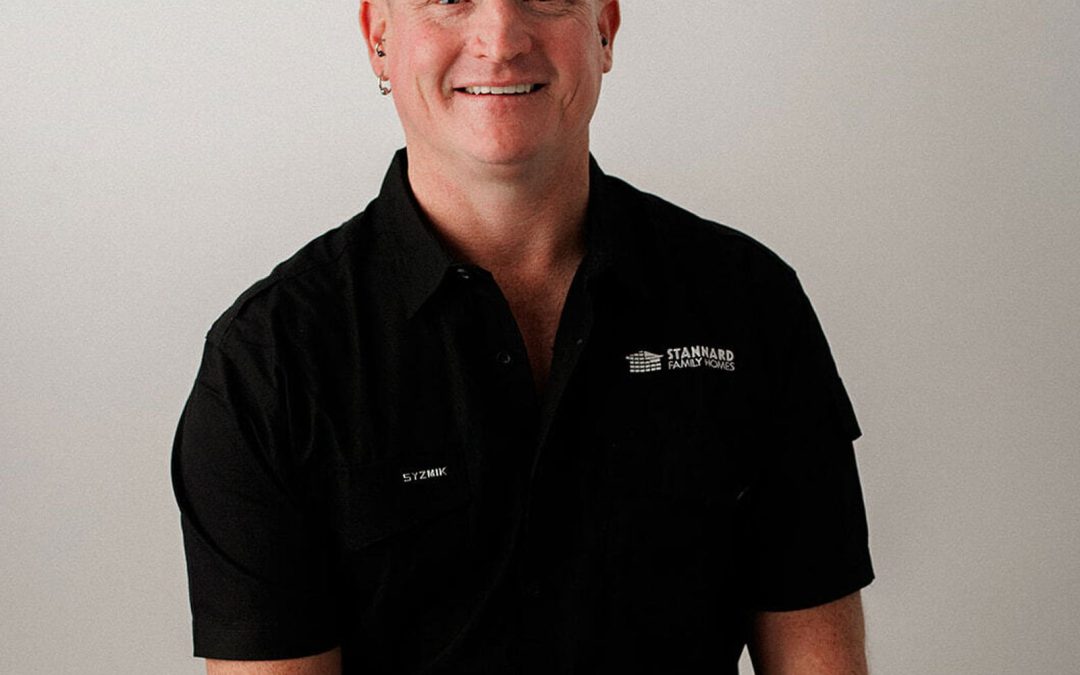
Ryan Stannard is a former apprentice carpenter who started working at fifteen and built Stannard Family Homes into a $15M custom home builder in Adelaide. His daughter Eryn walked into the firm at seventeen as an interior design hire. Four weeks later the architect quit. What she did next, and what it cost her father to actually let her do it, is the case for systemising a tradie business in 2025.
in Adelaide, SA
became Systems Champion
while the firm runs
“I’m the messiest person going around”
Ryan Stannard is not the person you’d cast as a systems thinker.
He left school early. He was working as an apprentice carpenter at fifteen. He has spent the better part of twenty-five years on construction sites, and in his mid-twenties a health scare forced him off the tools and into the office, which is not where he wanted to be.
“I probably wouldn’t have said I was a systemised person years ago. And my wife would probably say I’m not systemised, because I’m probably the messiest person going around.”Ryan Stannard, Owner and CEO, Stannard Family Homes
That self-deprecation is the entire point. The Stannard Family Homes story is not the story of a natural process nerd discovering software. It is the story of a tradie builder who realised that the alternative to systemising was being trapped in his own office, answering questions, for the rest of his working life.
What he found on the other side was a $15M custom home business in Adelaide, an Association of Professional Builders (APB) award for the best professional building company in South Australia, and seven-week holidays where the phone does not ring. He also found a Systems Champion sitting at the desk in front of him: his daughter Eryn, who would not have made it through her first month at the firm if she had not learned to write the systems she needed.
When the only way out is to clone yourself
Ryan’s catalyst was the simplest one in the book. He hit the ceiling of what he could deliver as a one-person show.
“I was running the business doing it all on my own, and then I needed to implement more people to do more things,” he says. “If you think you’re good at it, which most business owners probably think they’re better than someone else at doing what they’re doing, you want to try and clone yourself. And the only way to clone yourself is to write the systems, basically.”
The interesting move was not the decision to document. It was who he hired to do the documenting.
Ryan brought in someone with zero building industry experience and pointed them at the senior people in the business. Their job was to interview each expert, ask the dumb-seeming questions a domain insider would skip, and write the workflow down step by step. The outside perspective was the whole point. The person doing the documenting could not assume anything, which meant the systems had to be complete enough that anyone could follow them.
Ryan paired the written systems with screen recordings made in Loom for anything that touched a piece of software. Then he made systemHUB access the first thing every new hire saw. The induction conversation began and ended with “everything you need is in the system.”
A seventeen-year-old in interior design
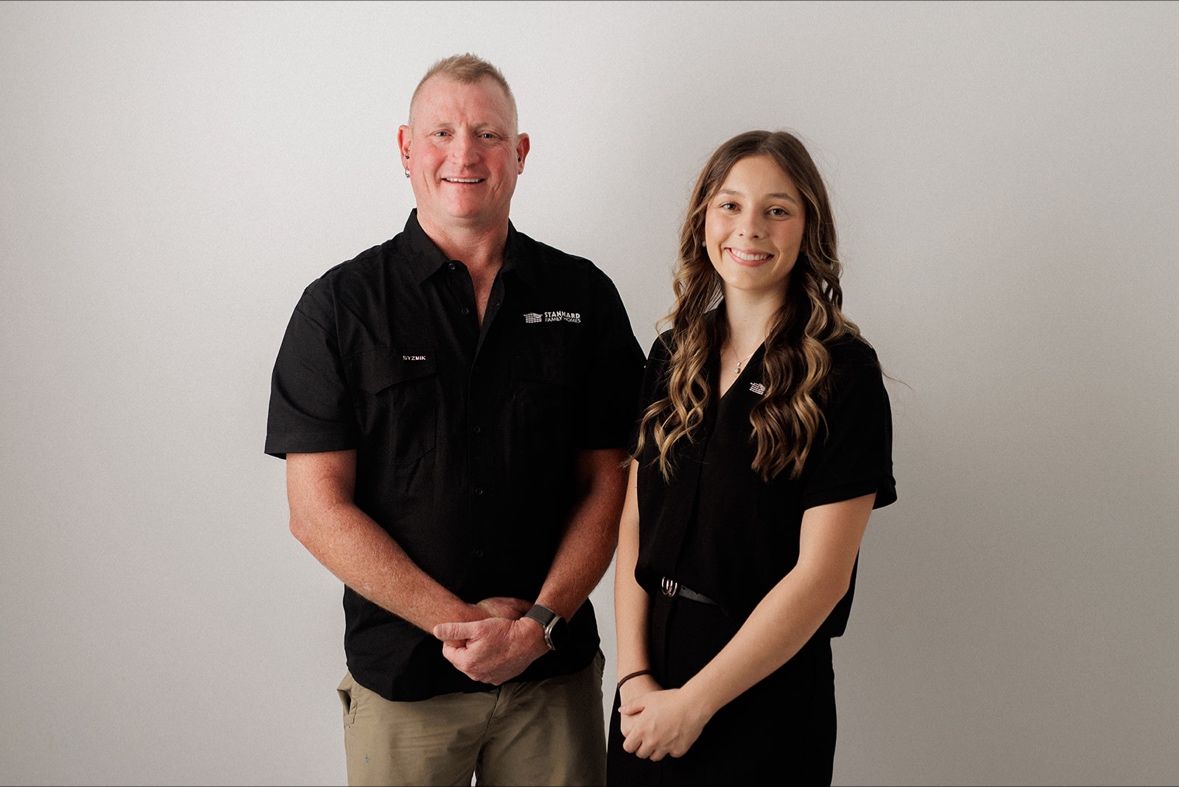
Eryn Stannard joined her dad’s business as an interior design hire. She had left school. She had no formal qualifications. She thought interior design was going to be her career.
The role was not entry-level by accident. Ryan had built an interior design and architecture function inside the firm because too many custom-home buyers needed help making selections that would not blow their budget or jar with the build. The role’s incumbent was a qualified architect with years of experience. Eryn was the junior support.
For two weeks she did what any new hire does: read the systems, follow the process, ask questions to understand it. She asked a lot of questions.
“I asked a few too many questions too quickly and scared the architect and interior designer at the time away. Within the first two weeks, so by my week four, she had left and it was a lot to me now.”Eryn Stannard, Systems Champion, Stannard Family Homes
Eryn was seventeen. She had clients who needed their interior selections signed off so concrete slabs could be poured. The qualified person who had been doing that work was gone. And the only thing standing between the clients and a delay was a school leaver with a passion for design and a manager called Dad watching to see what she would do.
She rewrote the role’s systems in six months
What Eryn did over the next half-year is the actual proof of the SYSTEMology argument that a role IS its systems.
She did not try to fake the qualifications she did not have. She did not call a consultant. She went to the systems the previous architect had been using, and rewrote them as she did the work, week by week, client by client, with the slabs going down on schedule.
“She had other qualifications that I just didn’t have. She was very well experienced in architecture. And I was just a seventeen-year-old, who’d left school. So that was all the qualifications I had. And I had these clients relying on me that needed their selections done so their slab could go into the ground at the time. So I just jumped straight into it and rewrote the systems and procedures, probably over six months.”
That is the entire claim of SYSTEMology in one paragraph. The role survived the person who used to do it because the workflow had been written down well enough that a teenager could read it, fix it, and run it.
Ryan and Eryn tell their story alongside Luke Davies on the panel at the Business Systems Summit, live in Melbourne, Australia.
Then she did it again. And again.
What no one planned for was that Eryn liked it.
Having rebuilt one role from scratch, she started asking the same questions about other roles. The HR function got the same treatment. Then accounts. Then the client experience pieces around scheduling and selections. Each time a function landed on her desk, she rewrote the systems as she took it over, so that the next person could do it without her.
Ryan started to notice something that does not happen to many fifty-year-old builders. The areas of the business his daughter touched did not fall over when she left them. They actually got more reliable.
By twenty-one she had a title (assistant manager), a remit (every operational function), and an APB award (Business Partner of the Year, South Australia, 2025) for the leadership work she had done dragging the firm into a documented, repeatable shape.
The seven-week vacation
The number Ryan quotes is not turnover or profit or staff count. It is weeks. Seven of them.
“Without the systems being processed like they are, I was stuck in the business,” he says. “I was in here day to day answering questions, all the rest of it. I couldn’t step out of the business for weeks on end.”
Now he can. The team handles client meetings and decisions. The systems Eryn rewrote at seventeen still hold. The firm runs because the work has been turned into procedures that do not depend on Ryan being in the office to answer the question.
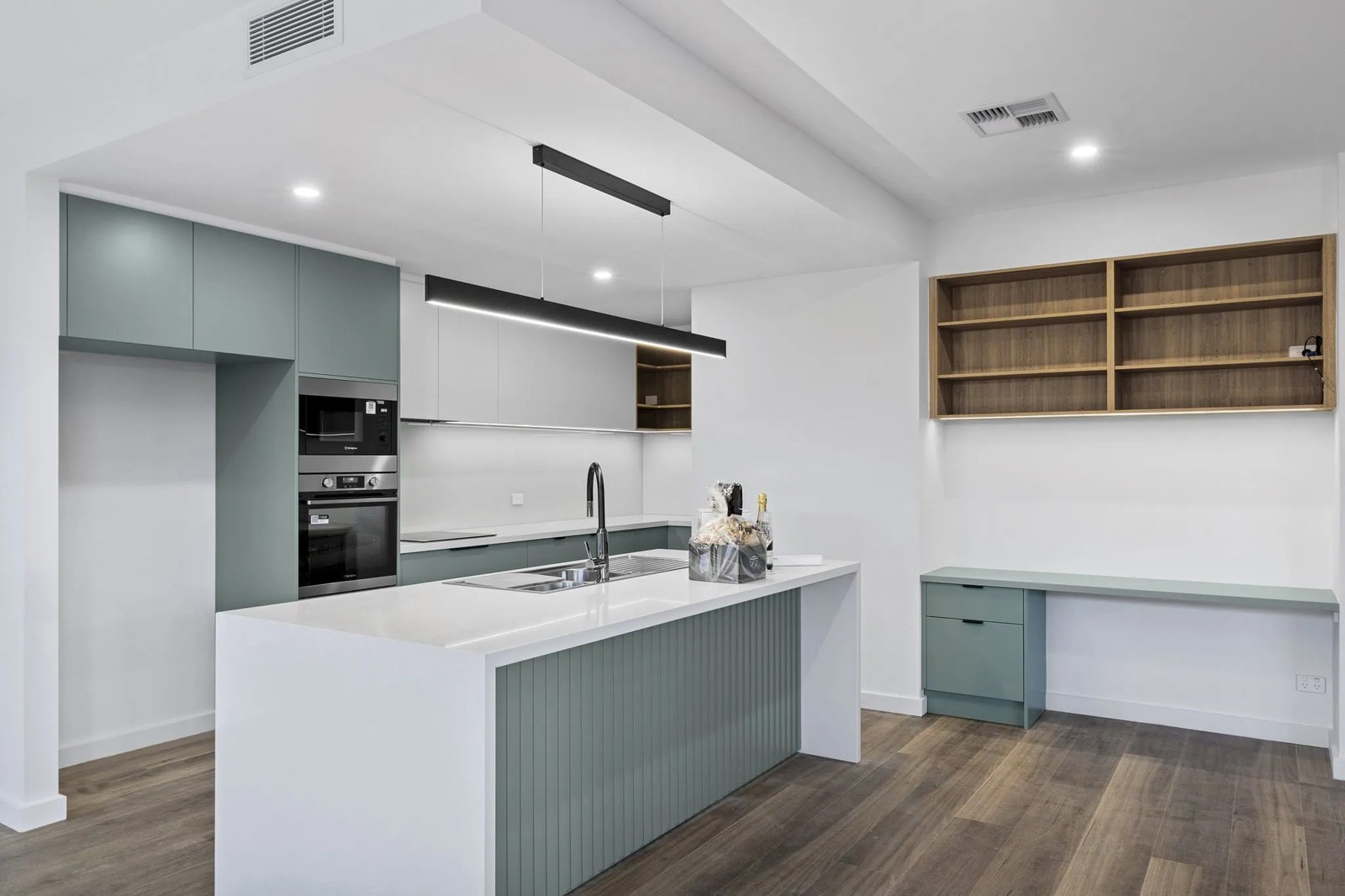
The Stannard Family Homes website still says “Adelaide’s leading custom home builder” above the door. That claim is now defended by a 2025 APB Professional Building Company of the Year award and 225-plus completed builds. None of which was possible while Ryan was the bottleneck.

From not-good-enough to APB Business Partner of the Year
Eryn’s APB award in 2025 is the bookend that nobody could have written in advance.
The official citation is for “leadership, innovation, and dedication to creating an exceptional client experience.” What the citation does not say is that she got there by being thrown into the deep end at seventeen with no qualifications and choosing to rewrite the systems instead of bluffing through.
The firm is now using the same documented foundation to start a second business arm. The plan is the one every owner says they want and almost none ever execute on: take the existing systems, copy them, paste them into the new venture, and run.
That is what a documented business buys you. Not just the seven-week holiday. The option to do it again somewhere else without starting from the genius-in-the-founder problem.
What a tradie builder learned about being a systems person
Ryan is clear on the lesson, and he gives it in the messy-tradie voice that makes the rest of his industry actually listen.
“As builders, we think in systems and process. The way we put buildings together is a systematic process. So when the time comes to get off the tools and get into the business stuff, you have the same mindset where we’re trying to systemise these chunks and just work that process together.”Ryan Stannard, on stage at the Business Systems Summit 2025
The wider point is not for the rare tradie who already loves systems. It is for the messy ones who think systemising is for someone else.
“If you want to try and clone yourself,” Ryan says, “the only way to clone yourself is to write the systems.” That is the entire job. Not buy software. Not hire a consultant. Write down what you do, in a form someone else could pick up and run. Then watch what happens to your weekends.
About Stannard Family Homes
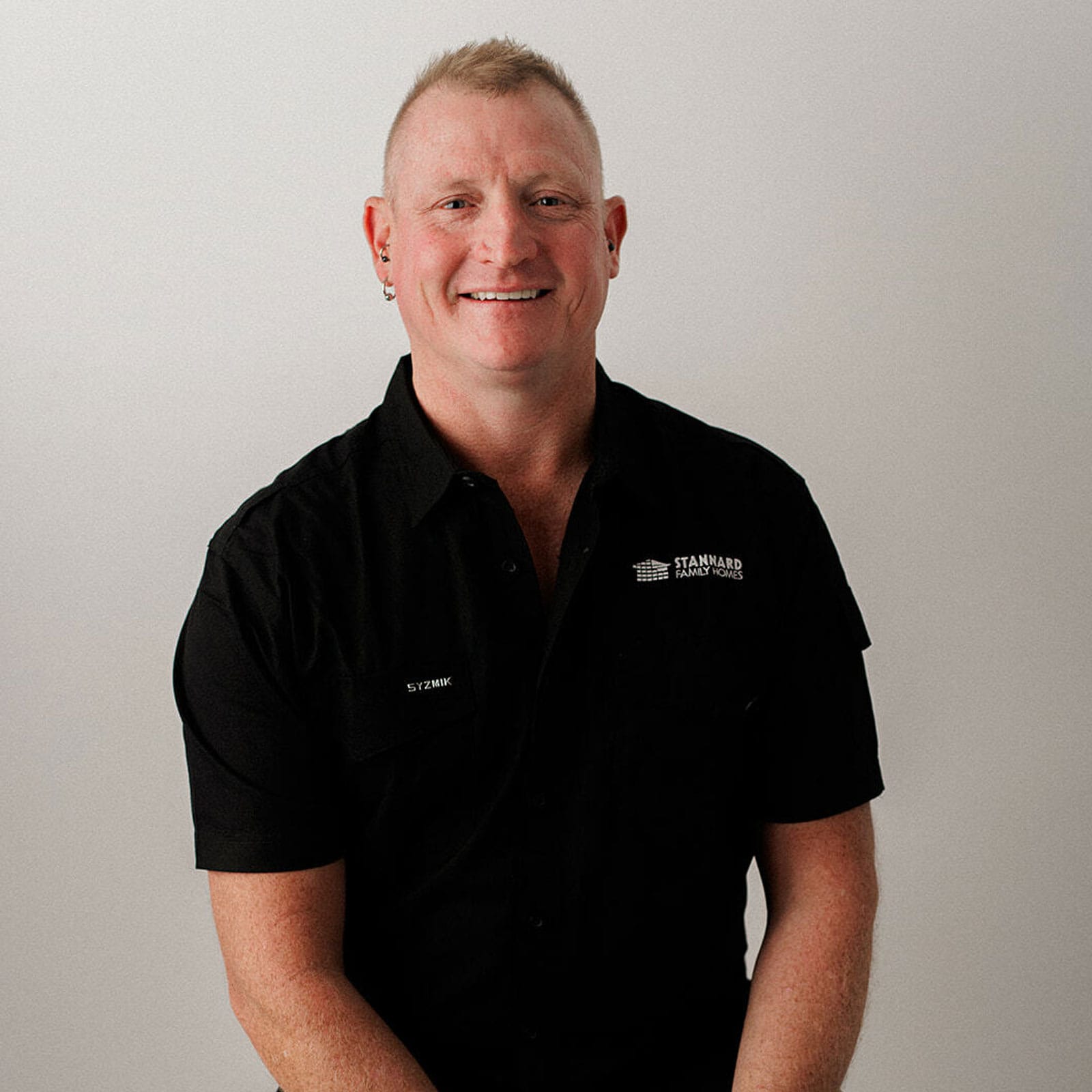
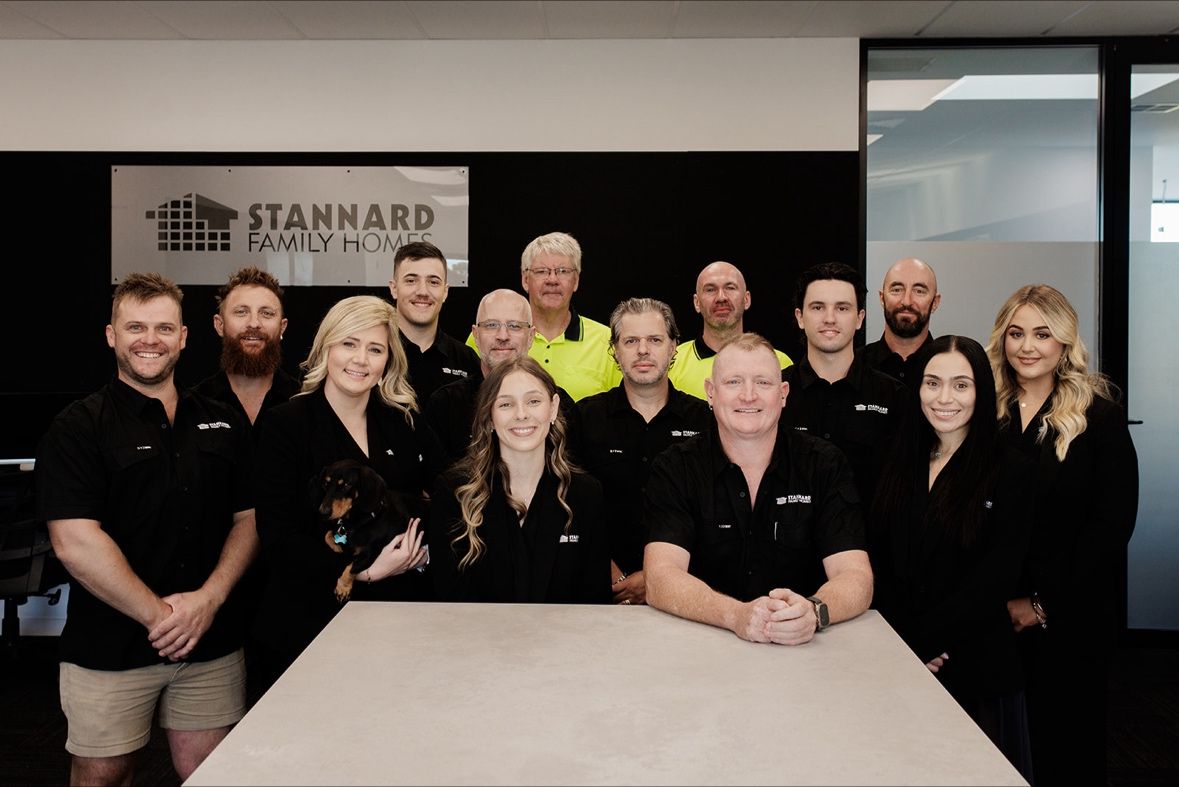
Founded by Ryan Stannard, Stannard Family Homes is an Adelaide-based custom home builder with offices in Adelaide and Mannum. The firm has completed more than 225 custom builds across South Australia, and serves landowners looking for a transparent, family-owned alternative to the volume builders.
Hear from Eryn, the Systems Champion


Ready to build a business that runs the way Stannard runs?
Ryan’s playbook is not exotic. It is documenting what you do until someone else can pick it up and run it, hiring or appointing the questioner who actually wants to do the work, and then getting out of their way. The methodology he used is the same one taught inside the Systems Champion Academy.