What would happen to your building company if you disappeared for nine weeks?
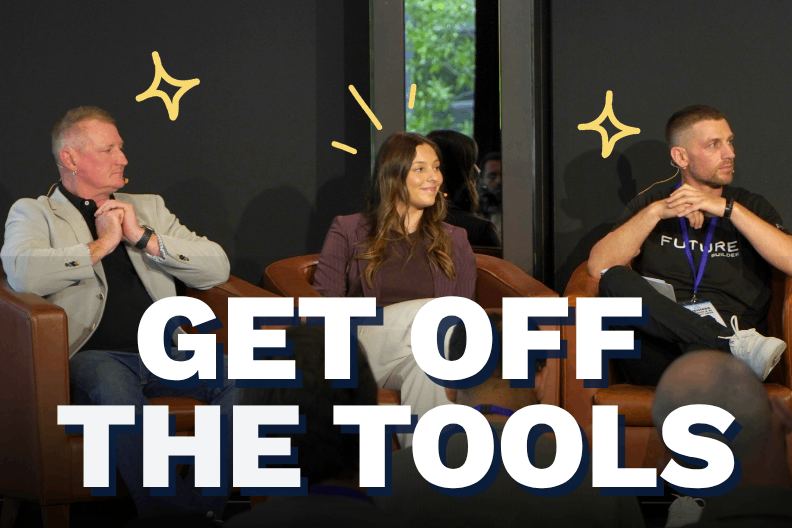
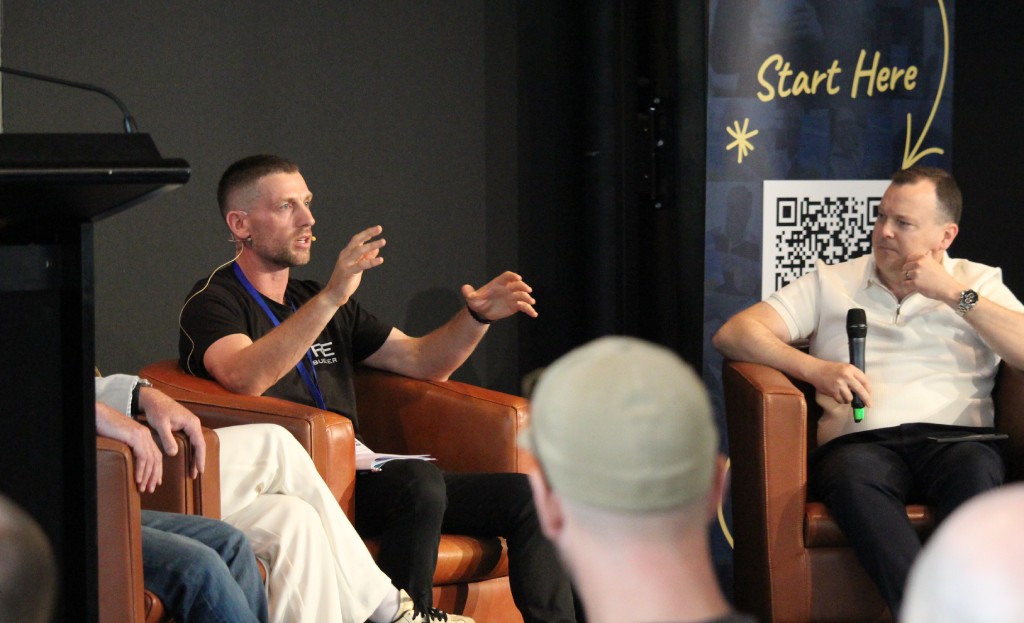
For most construction business owners, that question triggers a cold sweat. But for Luke Davies, it was just a holiday. He left, the team kept building, and a $15 million contract landed in his inbox poolside. Ryan Stannard takes six weeks on the river every Christmas. His daughter Eryn, the company’s Systems Champion, keeps the whole operation running.
If you want to systemise your construction business and actually step away from it, these three builders have done exactly that. Here’s what they learned.
Key Takeaways
- Builders already think in systems on the job site; the same logic applies to running the business off site.
- The business owner shouldn’t be the one writing SOPs. A dedicated Systems Champion gets better team adoption.
- Clear metrics and a consistent meeting rhythm give your team confidence without micromanagement.
- A systemised building company can run for weeks (or months) without the owner on site.
Builders Already Think in Systems — Now Apply It Off Site
But knowing how to build a house and knowing how to run a building business are different things. Luke went home, built a spreadsheet with tabs for every process, and started pulling documents together. The problem? Most of it described how he wanted things to work, not how they actually worked on the ground.
The real shift came when Luke hired his first office-based employee, an estimator. Suddenly, processes weren’t optional. Someone else needed to follow them. He matched his workflows to construction-specific software, merged the two, and started building real momentum. Today, Luke runs multiple companies and recently took a nine-week holiday without a single emergency call.
Where do you start with business systems?
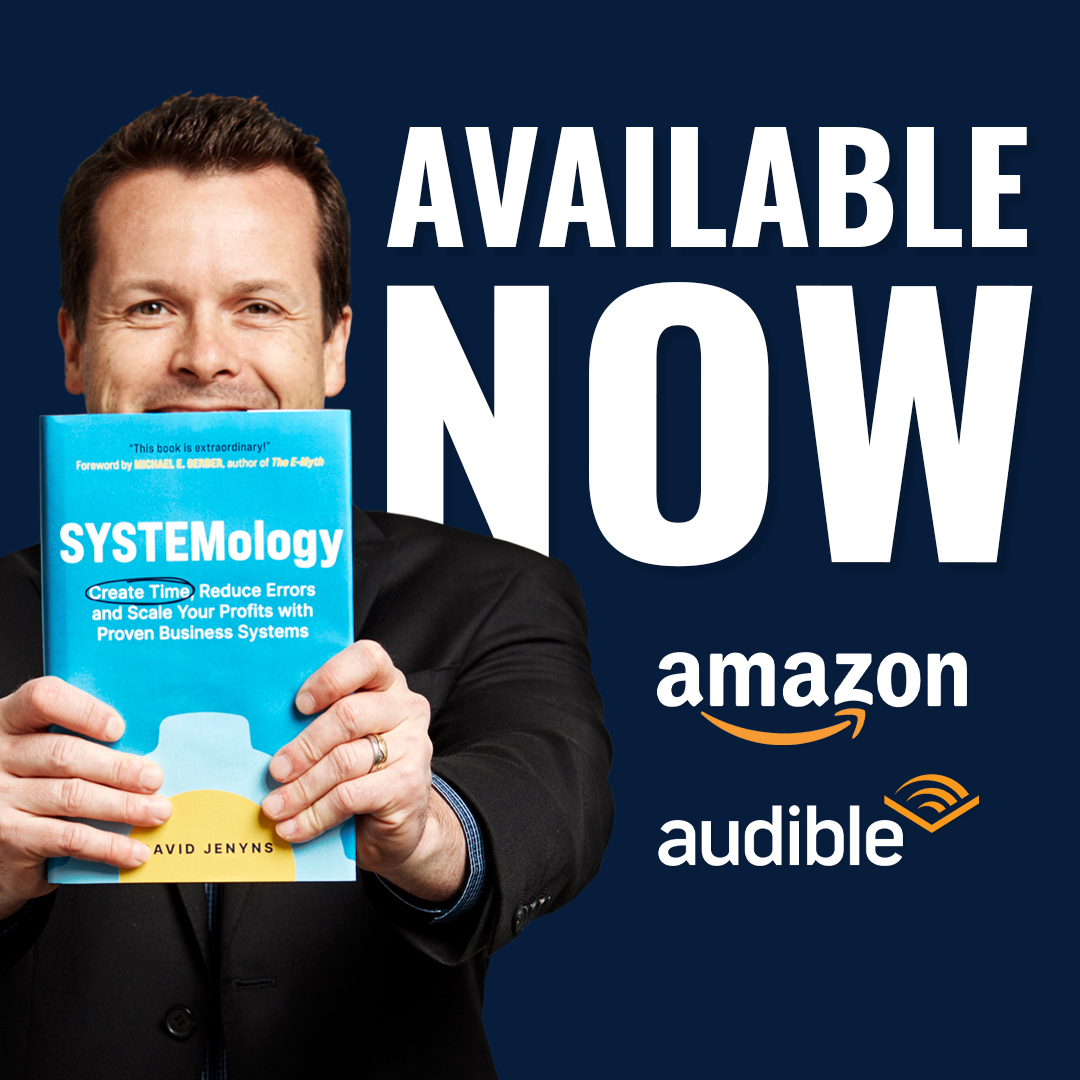
SYSTEMology lays out the 7-step framework used by thousands of business owners to create time, reduce errors, and scale profits. Grab your copy and start building.
Why the Builder Shouldn’t Be the One Writing SOPs
Ryan Stannard got a few chapters into SYSTEMology and had an honest realisation: “If I wrote the systems, no one’s probably going to listen to me.” A self-described high school dropout with dyslexia, Ryan knew documentation wasn’t his strength. So he hired someone fresh out of school and gave them one job: capture what everyone in the business does every day. No frills, no formatting. Just get it down.
That first Systems Champion documented the core of the business. When it was time for a second, Ryan’s 18-year-old daughter Eryn stepped up. She started in selections, choosing fixtures, finishes, and fittings with clients, and learned the role through the written systems manual within weeks. Inside six weeks, she was running 10 to 12 sets of selections on her own. Without documented processes, that would have been impossible for someone straight out of school.
The process also exposed who wasn’t pulling their weight. Team members who refused to share how they did their work walked out on their own. One bookkeeper had been paying hundreds of bills individually instead of using batch payments.
Once documentation started, those inefficiencies couldn’t hide.
Give Your Team the Scoreboard, Not a Shadow
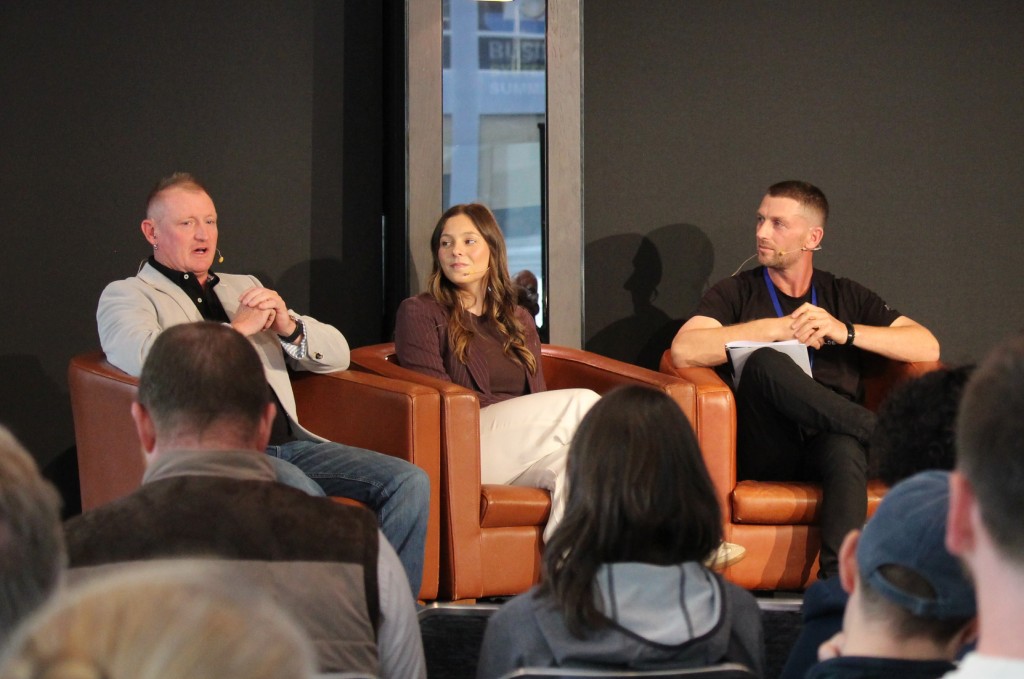
Luke’s approach to keeping his team performing without constant oversight starts with clarity. “It starts with clear outcomes,” he says. His team knows the company’s vision, mission, and values. They know their job roles. And every construction project has measurable targets: labour versus actual cost, materials versus actual cost, schedule, and client satisfaction.
That clarity extends to a structured meeting rhythm, from daily huddles to weekly, monthly, quarterly, and annual reviews. The weekly meeting includes an “awareness list” where the team logs frustrations, bottlenecks, and ideas throughout the week. Problems don’t come to Luke on the fly. They go on the list and get worked through together.
According to Gallup’s State of the Global Workplace report, highly engaged business units deliver 23% greater profitability. Luke sees it firsthand. “Engagement directly relates to profitability,” he says.
When people know they’re winning at work, they perform. And when they perform, the owner can step back.
Need one place for all your business systems?
systemHUB is purpose-built to store, organise, and share your SOPs, policies, and training materials with your whole team.
The Poolside Contract and the Six-Week River Holiday
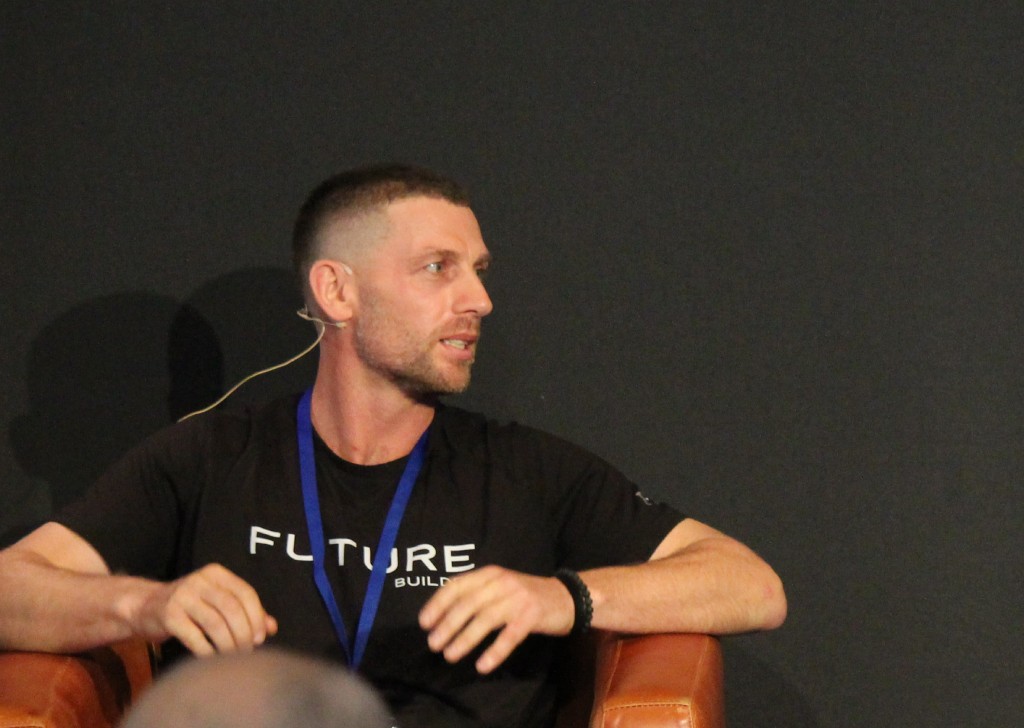
Ryan’s version of freedom looks like loading up the caravan. The first few times he left, he admits, “you leave the business and you hope.” But the gaps that surfaced told him exactly what to fix next. His business coach put it simply: the first lot of problems that land on your desk when you get back are the things that need work.
Ryan recently hit another milestone: hiring a General Manager to run the company so he can step back to construction manager and return to grassroots building. “Without a systemised business, there’s no way that would be able to happen,” he says. Ryan’s full story of scaling Stannard Homes to $15 million covers how he got there step by step.
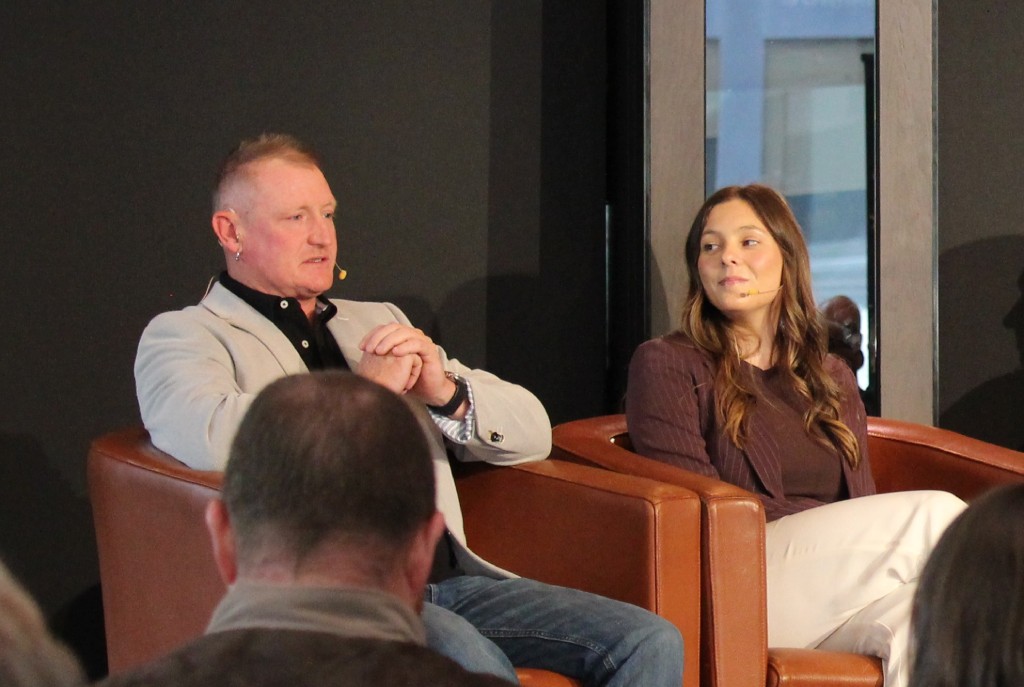
These three builders didn’t follow the same path. Luke built his systems around software and metrics. Ryan handed the job to someone else from day one. Eryn learned the business by documenting it. But they all landed in the same place: a construction business that runs without them in it every day. Pick one process, hand it to someone else to document, and start building from there.
Ready to get your business systemised in 90 days?
Our team extracts and documents your core systems for you. No SOPs to write. No project to manage.