You documented the processes. You invested in the tools. Then Monday morning came, and your team carried on as if nothing changed.
Getting your team on board with systems is one of the most common challenges business owners face. It’s also one of the most predictable. In the SYSTEMology framework, this is Step 5 of seven: Integrate. The full sequence is Define, Assign, Extract, Organise, Integrate, Scale, and Optimise. And it’s the step where most business owners either break through or give up entirely.
The good news? Resistance at the start is completely normal. Here’s how to push through it and build a team that runs on simple business systems.
Key Takeaways
- Team resistance to new systems is normal and happens up front.
- Start with your most systems-friendly team members, not the resistors.
- Celebrate wins and treat broken processes as learning moments.
- Hire for process fit, not just experience.
- Think of your business as a school where systems are the lessons.
Why Teams Resist New Systems
You come back from a conference fired up. You announce the plan. And your team thinks: “The boss has been to another summit. Let’s wait it out.”
David Jenyns, founder of SYSTEMology, calls this the predictable wall. Every business owner hits it. The team pushes back, and then the false beliefs creep in. “My business is different.” “We’re too creative for systems.” “My team just won’t follow process.”
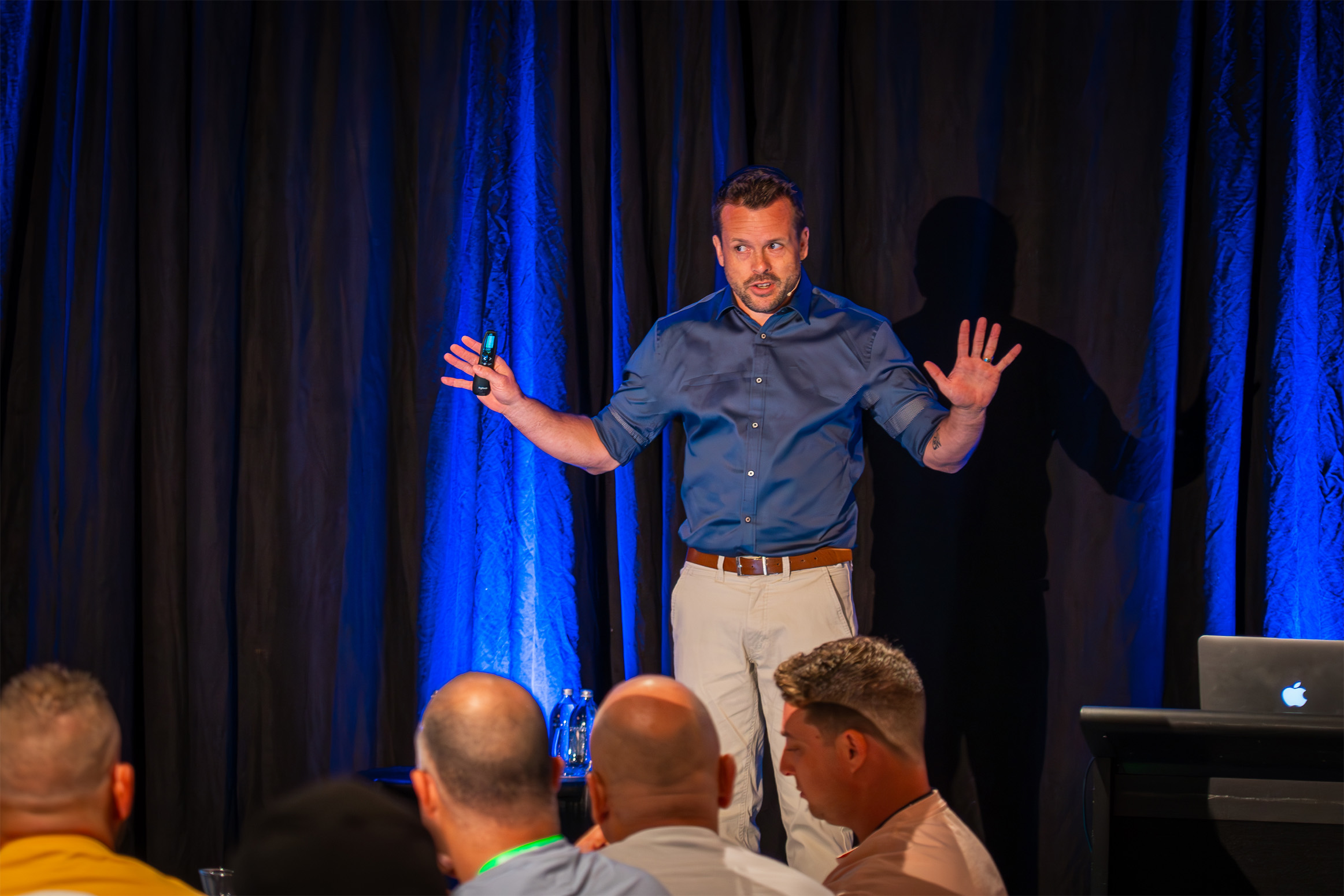
The real danger isn’t the resistance itself. It’s what happens when you give up because of it. Once you’ve tried and stopped, you start believing your business can’t be systemised. That belief is harder to shake than the resistance ever was.
If you’ve been here before, the fix isn’t to give up. It’s to start smaller. Pick one or two critical processes, get early wins, and let the results do the convincing. Past resistance doesn’t mean systemisation won’t work for you. It means the approach needs adjusting.
Here’s the truth: all of the resistance happens up front. If you stick with it long enough to get over that initial hump, it gets easier. The rewards of a systems-driven business are on the other side.
Where do you start with business systems?
SYSTEMology lays out the 7-step framework used by thousands of business owners to create time, reduce errors, and scale profits. Grab your copy and start building.
How to Build a Systems Culture That Sticks
Start with Your First Followers
Don’t try to convert every team member at once. Find the people who are naturally open to process and structure, and lean into them first. These are your first followers. They’ll champion the new way of working and bring others along.
Your Systems Champion plays a key role here. This person drives the systemisation project, keeps it visible, and creates momentum that pulls the rest of the team in.
Celebrate System Wins
Culture shifts when you make systems feel positive, not punitive. Recognise team members who follow processes. Give shoutouts in team meetings. Award a monthly MVP for someone who stuck to the system.
Even a broken process is a win if you treat it as one. When a system fails, it’s a chance to learn, fix, and improve. That mindset turns resistance into ownership, and it’s one of the most effective ways to bring your team together.
Hire for Process Fit
When your systems are properly documented, you can bring in less experienced team members at a lower cost and onboard them effectively. They follow the system, cut their teeth on the routine tasks, and grow into the role.
Your senior team handles the exceptions. These are the situations that fall outside the documented process. Senior staff decide whether the system needs updating or whether it’s a one-off. This creates a clear structure where everyone knows their role and delegation becomes straightforward.
Sandra Allars, founder of Taking Care Mobile Massage (TCMM), learned this firsthand. When she rolled out new systems during the pandemic, some office staff resisted the change. Sandra made the tough call to let go of team members who refused to adapt, and began hiring specifically for adaptability and tech-savviness. The result? TCMM grew from handling 1,000 massage hours per month to targeting 2,000 to 3,000 hours, and Sandra is now preparing for a profitable business exit.

Need one place for all your business systems?
systemHUB is purpose-built to store, organise, and share your SOPs, policies, and training materials with your whole team.
Your Business Is a School
Michael Gerber popularised the idea that every business is a school. Your systems and processes are the lessons. New team members come on board, follow the documented SOPs, and learn by doing.
This is the power of the Integrate step. When your business runs like a school, you’re not dependent on experienced (and expensive) hires who already know the work. You’re building a team that can grow with the business, guided by the systems you’ve put in place.
And with AI continuing to change how businesses operate, those same systems will eventually become the programming for automation. The businesses that have their processes documented today will be the ones best positioned to take advantage of what’s coming next.
Start Now. The Resistance Is Temporary.
There’s no shortcut here. If you want a business that’s profitable and works without you, systems are non-negotiable. The resistance is temporary. The rewards are permanent. Start now.
Ready to get your business systemised in 90 days?
Our team extracts, documents, and implements your core systems for you. No SOPs to write. No project to manage.