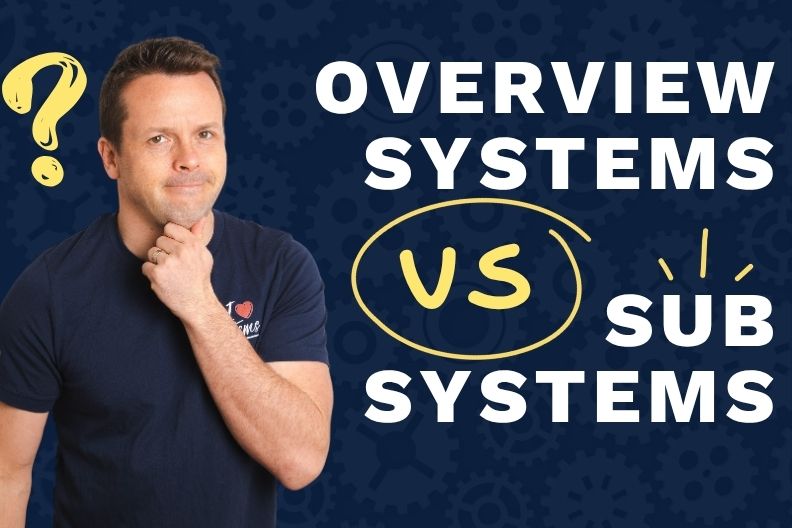
The answer is not one or the other. It is both used at the right level. That is where overview systems and subsystems come in. This simple structure gives your team a clear view of the big picture while keeping the step-by-step detail exactly where it is needed.
Here is how to decide when a process needs layers and when a standalone system will do the job.
Key Takeaways
- Overview systems map the big picture of a process: milestones, owners, and progress.
- Subsystems sit underneath and spell out the step-by-step detail for individual tasks.
- Not every process needs both. Layer them only when a process involves multiple people, stages, or handoffs.
- Start with your core delivery process, assign overview ownership, and add subsystems where mistakes or questions keep coming up.
What Is an Overview System?
The person overseeing the overview (usually a project manager or team lead) does not need to complete every task themselves. Their job is to track progress and make sure nothing falls through the cracks.
For example, if your business delivers a done-for-you service, the overview might list ten major steps from client onboarding through to final delivery. The project manager checks each milestone off as the team works through them.
What Are Subsystems?
A subsystem is the detailed, step-by-step document that sits underneath a single step in your overview. It spells out exactly how to complete that task so that anyone on the team can pick it up and follow along.
Take a client onboarding overview as an example. One step might say, “Set up client folder in Google Drive.” That is clear enough for the overview level. But if a new admin assistant needs to do it, they will need a subsystem that shows them where to go, which template to copy, and how to name the folder.
The overview tells your team what needs to happen. The subsystem tells them how to do it.

Where do you start with business systems?
SYSTEMology lays out the 7-step framework used by thousands of business owners to create time, reduce errors, and scale profits. Grab your copy and start building.
When You Need an Overview System (And When You Don’t)
Not every process in your business needs layers. The decision comes down to complexity, the number of people involved, and how many handoffs happen along the way.
Processes That Need an Overview
If a process involves multiple team members, several stages, and takes days or weeks to finish, it probably needs an overview system with subsystems underneath. Core product or service delivery, client onboarding, and recruitment are common examples.
Ryan Stannard, Stannard Homes, built a $15 million custom home operation in Adelaide. With multiple trades and stages on every build, his team needed overview systems with subsystems underneath to track progress. After appointing his daughter Eryn as Systems Champion to document and organise those layers, Ryan stepped back from daily operations and took a seven-week holiday while the business kept running.
Processes That Can Stand Alone
Simple, single-owner tasks do not need an overview sitting on top. If one person handles the task from start to finish in a few steps, a standalone how-to document is all you need. Paying supplier invoices, running a weekly report, or updating a CRM record are good examples.
Need one place for all your business systems?
systemHUB is purpose-built to store, organise, and share your SOPs, policies, and training materials with your whole team.
How to Set Up Overview Systems and Subsystems
Start With Your Core Delivery Process
Your best starting point is the product or service that generates revenue. Map the major milestones from the moment a client says yes through to final delivery. This becomes your first overview system. Keep it to 8 to 15 steps. If you are listing more than that, you are probably going too deep too early.
Assign Ownership at the Overview Level
A project manager or team lead should own the overview. They do not do every subtask. They track progress, spot bottlenecks, and make sure each step is completed to standard. This is the person who looks at the overview and says, “Step five is overdue. Who is on it?”
Build Subsystems Only Where Detail Is Needed
You do not need a subsystem for every step on day one. Add them where your team keeps making mistakes, where tasks are frequently handed to new or junior staff, or where the step involves multiple moving parts. Start lean. Let the gaps show you where the detail is needed most.
As David Jenyns puts it, the first version of any system is almost always the worst it will ever be. Every iteration improves it. You do not need perfection. You need a starting point.

Common Mistakes When Layering Your Systems
Documenting everything at the same level of detail. When every process has 30 steps in a single document, your team stops reading. Overview systems exist so the big picture stays visible and the detail stays accessible without cluttering the view.
Skipping the overview entirely. Without one, your project manager has no way to see what is done and what is still outstanding. They end up chasing updates through Slack messages and emails instead of checking a single document.
Building subsystems before the overview is solid. Nail the milestones first. Subsystems can be added over time as you spot the steps that cause confusion, delays, or repeated questions from the team.
Ready to get your business systemised in 90 days?
Our team extracts, documents, and implements your core systems for you. No SOPs to write. No project to manage.
Keep It Simple
The goal of layering your systems is clarity, not complexity. Start with one overview for your core delivery process and add subsystems only where your team truly needs them. Every process you document, no matter how rough the first draft, is one less question landing in your inbox. That is where the freedom starts.