What happens when the person clients pay to see is also the person booking calls, writing proposals, editing content, and chasing invoices? You run out of hours. That is the bottleneck most consultants and coaches hit, and it is exactly what the right systems for consultants are built to fix.
The pushback is always the same: “My business is too personal for systems.” But the consultants who have broken through that wall tell a very different story. Here is a practical look at where to start, what to hand off, and how to build a library of processes that grows with your practice.
Key Takeaways
- Systems don’t replace your expertise. They protect the time you spend using it.
- Start by mapping the journey your client takes from first contact to delivery.
- Hand off the repeatable admin tasks first, not the high-value work.
- A best practice library compounds over time and can become a business asset.
Why Most Consultants Think Systems Aren’t for Them
Coaches and consultants sell their knowledge. That makes the whole idea of documenting a process feel strange. You might wonder, “If I write down how I do things, am I making myself replaceable?”
The short answer is no. The long answer is that systems are not about replacing you. They are about removing the admin that surrounds your real work. Think about how much of your week is spent on tasks that do not require your specific expertise: scheduling, social media posting, client onboarding emails, podcast production, invoicing. None of that needs your brain. All of it needs a process.
When you map your business processes, even the simplest version, you start to see the gap between what only you can do and what anyone with clear instructions could handle.

Where do you start with business systems?
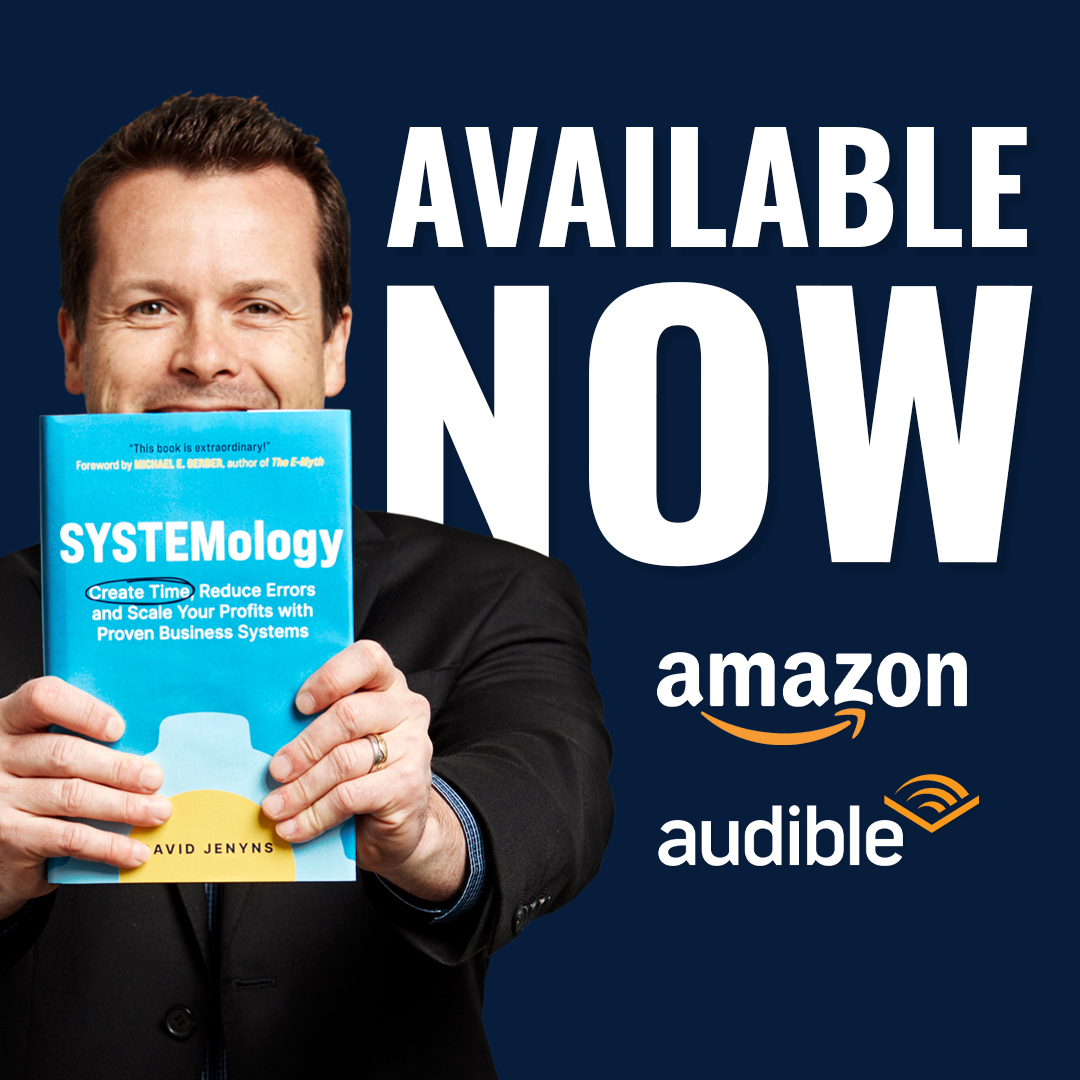
SYSTEMology lays out the 7-step framework used by thousands of business owners to create time, reduce errors, and scale profits. Grab your copy and start building.
Start With Your Client Journey
The fastest way to figure out which systems matter is to map the journey one client takes through your business. In the SYSTEMology framework, this is called the Critical Client Flow. It is a single page that captures the 7 to 12 steps from first contact through to delivery.
For a consultant, that journey might look something like: lead comes in, discovery call, proposal, onboarding, delivery, follow-up. You are not creating detailed SOPs at this stage. You are just getting the full picture onto one page so you can see what is critical and what is just clutter.
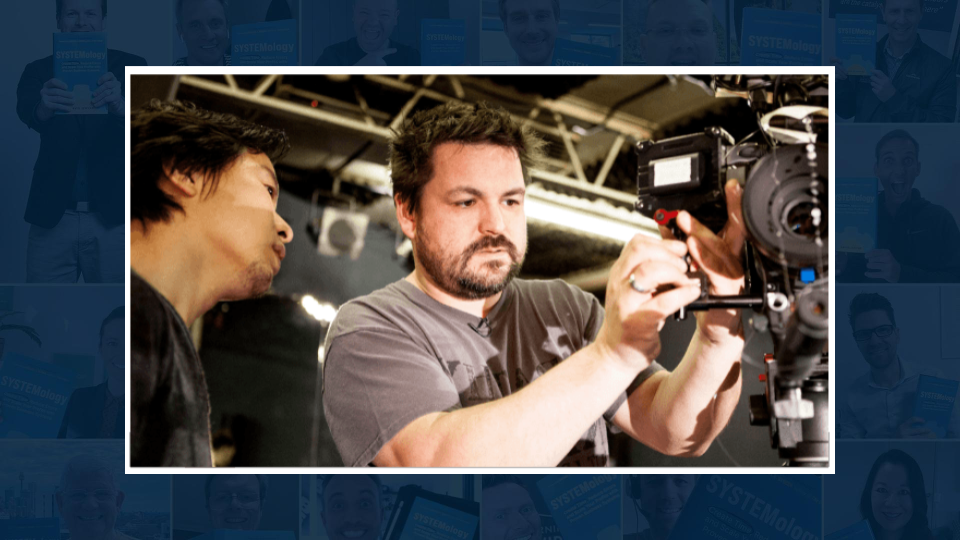
Den Lennie, a coach to videographers, did exactly this when he decided to systemise his solo coaching practice. He mapped the linear journey his clients followed, then screen-recorded each step using a tool like Loom. Those recordings became the raw material for every process he later delegated to his team.
How much is it costing you NOT to systemise?
Use our free Cost of Chaos Calculator to put a dollar figure on the time, mistakes, and missed growth your business loses every year without documented systems.
Hand Off the Repeatable Work First
Once you can see your client journey on paper, the next step is simple: circle everything that does not need your expertise. For most consultants, that list is longer than expected. Booking guests for a podcast. Formatting show notes. Posting to social media. Sending onboarding emails. Updating your CRM.
You do not need to write a perfect standard operating procedure for each of these tasks on day one. A screen recording walkthrough is more than enough to get started. The person taking over the task can watch the recording, document the steps, and flag what they can and cannot do.
That is exactly how Den Lennie’s VA, Milka, learned his business. She watched the recordings, wrote up simple step-by-step documents, and self-selected the tasks she could take on: LinkedIn outreach, podcast editing, website updates, and content distribution. The tasks that needed Den’s brain, like sales calls and coaching sessions, stayed with him.

Within 18 months, Den’s revenue grew by 85% and he cut his work week from six days to three.
The lesson? You do not need to hand off the big stuff first. Start with the small, repeatable tasks that pile up and steal your focus.
Build a Best Practice Library Over Time
Systemising a consulting business is not a weekend project. It is something you build up over months, one process at a time. Each recording, each document, each checklist adds to a growing library of how your business works.
The value of that library goes beyond saving you time. It becomes a business asset. Den Lennie took it a step further by becoming a certified SYSTEMologist and now packages his documented systems as part of what he sells to his coaching clients. He built the systems once and continues to deliver them with every new client who joins.
Even if you never sell your systems directly, having them stored in a central hub means onboarding a new VA or team member takes days instead of weeks. It means you can step away for a holiday and know the business keeps running without you answering every question.

Need one place for all your business systems?
systemHUB is purpose-built to store, organise, and share your SOPs, policies, and training materials with your whole team.
You do not need a big team or a complicated rollout to start building systems for your consulting business. Pick one process, record how you do it, and hand it off. That single step is the beginning of a practice that runs on clarity instead of chaos. The sooner you start, the sooner you get your time back.