Say “systems” to most business owners and they picture the big-company version: ISO certification, long detailed procedures and clunky processes that add red tape to every job. Nobody gets excited about that.
That picture is the opposite of what we mean at SYSTEMology. A good system makes work simpler and gives your team more room to think. It doesn’t slow smart people down or tell them how to suck eggs.
So what is a system, really? Once you see the simple answer, you’ll notice your business is already running on dozens of them. Most just haven’t been written down yet.
Key Takeaways
- A system is a series of steps that, when followed, create a consistent outcome.
- Good systems simplify work and free up creativity. They shouldn’t add red tape.
- You already follow systems every day, from a cake recipe to the way you answer the phone.
- A routine is a system you’ve internalised. Writing it down makes it easy to pass on.
- You don’t need McDonald’s-style binders. Write for the capable people you actually hire.
Why “systems” gets such a bad rap
Maybe you’ve worked in a big organisation. Maybe you’ve been through ISO certification. Either way, you’ve probably seen systems at their worst: long, painful processes that slow everyone down.
SYSTEMology does the opposite. The aim of a system is to improve creativity and make the work easier. As Dave puts it, “I don’t want to tell you how to suck eggs.” You hire intelligent people, so the system only needs to give them what they need.
That restraint matters. A system that’s easy to follow is a system that actually gets used.
You’re already following systems (you just call them routines)
Think about the last time you baked a cake from a recipe. You followed a list of steps in order and ended up with a predictable result. That recipe is a system.
The same thing happens all through your business. There’s a way you answer the phone and a way you handle an incoming lead. There’s a way you meet with a client, set up a particular machine or kick off a new project.
A routine is a system you’ve internalised
Some of these you do without thinking. You’ve done them the same way for so long that they’ve simply become your way of doing things. That’s a routine. And a routine is just a system that lives in your head.
Here’s the catch. Some systems in a business are documented and plenty aren’t. The ones that only exist in someone’s head can’t be handed to anyone else.
Write it down like a recipe
That’s why SYSTEMology documents systems the same way you’d write down a recipe. Make it obvious, make it easy to follow and make it something you can pass on to newer team members so they can learn the ropes. If you want a head start, here’s how to document a process quickly.

What is keeping it all in your head really costing you?
Put a dollar figure on the hours and mistakes that undocumented work costs your business every year.
How a system becomes second nature
How many times do you have to do something before it happens automatically? Usually more than you’d guess. Systems carry you through those early repetitions.
- You learn from the system. The first time, you don’t know how to do the task. So you review the recipe, follow it step by step and keep it open in front of you. A supervisor or teammate is there to answer questions.
- You follow it on your own. After a couple of goes you don’t need the help. You’re still checking the recipe, but you’re doing the work yourself.
- It becomes a habit. Eventually you’ve done it enough times that you don’t need to look. It’s simply part of how you work.
That last stage has a name. Psychologists call it unconscious competence, the top level of the four stages of competence model developed by Noel Burch at Gordon Training International in the 1970s. It’s the point every new team member is working towards. A documented system is how they get there faster.

What is a system in business?
At SYSTEMology, a system is “a series of steps that when followed, create a consistent outcome.” That’s the whole definition.
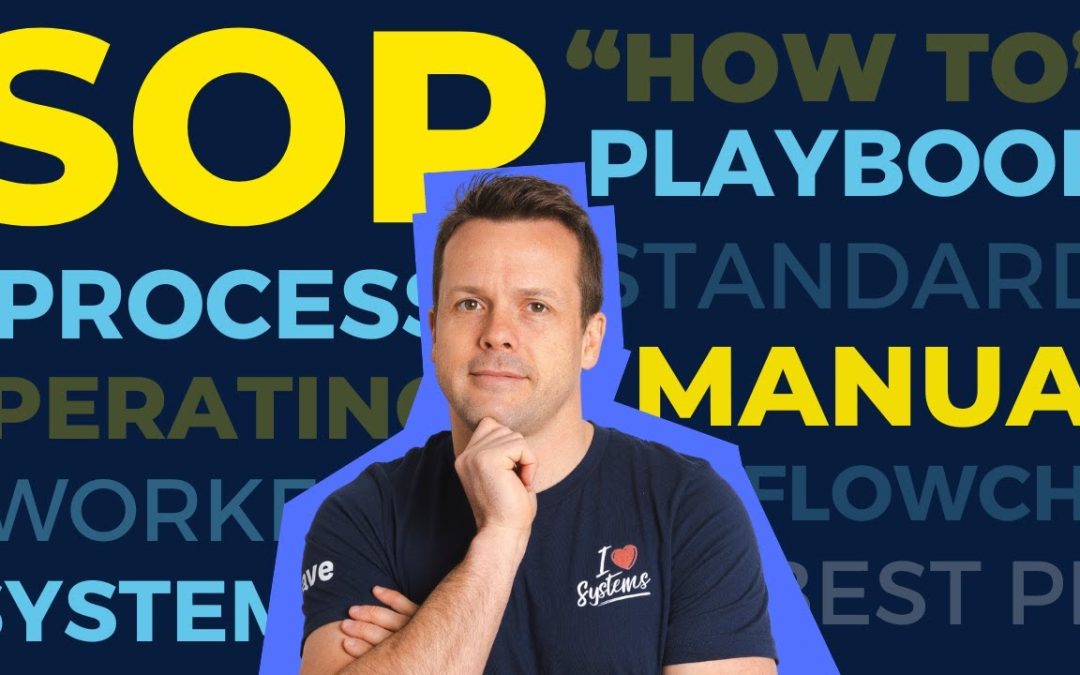
Whether you call it a process, an SOP, a workflow, a playbook or a how-to document, it’s the same idea wearing a different name. Put enough of them together and you get the bigger picture of what a business system is.
Systems are everywhere once you start looking. Stop and think about everything that happens in your business in a normal week. Most of it already follows a pattern. The job isn’t to invent systems from scratch. It’s to bring the ones you already run into conscious awareness and capture them, so the whole team can say, “This is how we do things here.”
And no system is ever finished. Dave even edited his definition slide partway through recording the video above, because “our systems are always improving.”
Ready to get your recipes out of people’s heads?
systemHUB gives your team one simple, AI-powered home for the way you do things, so the right steps are there the moment someone needs them.
Your business isn’t a hamburger joint
Ask people to name a well-systemised business and McDonald’s usually comes up first. They’re the poster child. They even run Hamburger University, where staff are taught exactly how to make a hamburger.
So people picture the thick binders that explain absolutely everything about running a McDonald’s and decide that’s what systems look like. Then they conclude systems aren’t for them.
But McDonald’s is solving a specific problem. It often recruits brand-new team members, many around 15 years old and in their first job, with no experience at all. Those binders exist to bring a complete beginner up to a set standard.
Most businesses don’t hire that way. You hire capable people who already know their craft, so there’s no need to design systems as if you ran a hamburger joint. Start with a simple overview and add detail only where it earns its place. This guide to overview systems and subsystems shows how the two fit together.
Systems aren’t about red tape. They’re about simplification, so smart people can do extraordinary things. That respect for what people already know is also what makes getting your team on board so much easier.
You don’t need to build systems from scratch. You need to notice the ones you’re already running and write them down, one recipe at a time. Pick the task you explain most often and capture it this week.
Ordinary people + well-designed systems = extraordinary results.
Frequently Asked Questions
What is a system in simple terms?
A system is a series of steps that, when followed, create a consistent outcome. A recipe is the easiest example: follow the same steps and you get the same cake. In a business, systems cover everyday work like answering the phone, handling a new lead or setting up a project.
What’s the difference between a system, a process and an SOP?
For most businesses, very little. Process, SOP, workflow, playbook and how-to document are different names for the same thing: the steps you follow to get a consistent result. SYSTEMology uses “system” as the umbrella term so the whole team shares one word.
Do small businesses really need documented systems?
Yes, just not the thick binders big companies use. Most small businesses already run on routines that live in people’s heads. Writing them down as simply as a recipe makes them easy to pass on to new team members and keeps results consistent as the business grows.
Want your systems built with you in 90 days?
The SYSTEMology team works alongside you to map and document the systems your business runs on, so it stops depending on you.