Most owners I meet aren't lazy and their teams aren't careless. Everyone's working hard and the same problems keep turning up anyway. The quote goes out late again. The handover gets missed again. Somebody promises to fix it and three months later you're having that same conversation.
So here's an uncomfortable idea worth sitting with. Every system is perfectly designed for the results it gets. Your business included. If you don't like what's coming out the other end, the problem usually isn't effort or attitude. It's the design.
And most owners have never once sat down and chosen that design. It just grew.
Key Takeaways
- A system is simply a series of steps that produces a consistent outcome.
- You're running systems whether you designed them or not; you still get the results.
- The results arriving today are exactly what your current setup is built to produce.
- People play to whatever the system rewards, not to what you hoped they'd do.
- Start with the flow that wins clients and looks after them, not with everything at once.
So What Is a System, Really?
A system is simply a series of steps that, when taken, produce a consistent outcome. That's it. No software required, nothing clever about it.
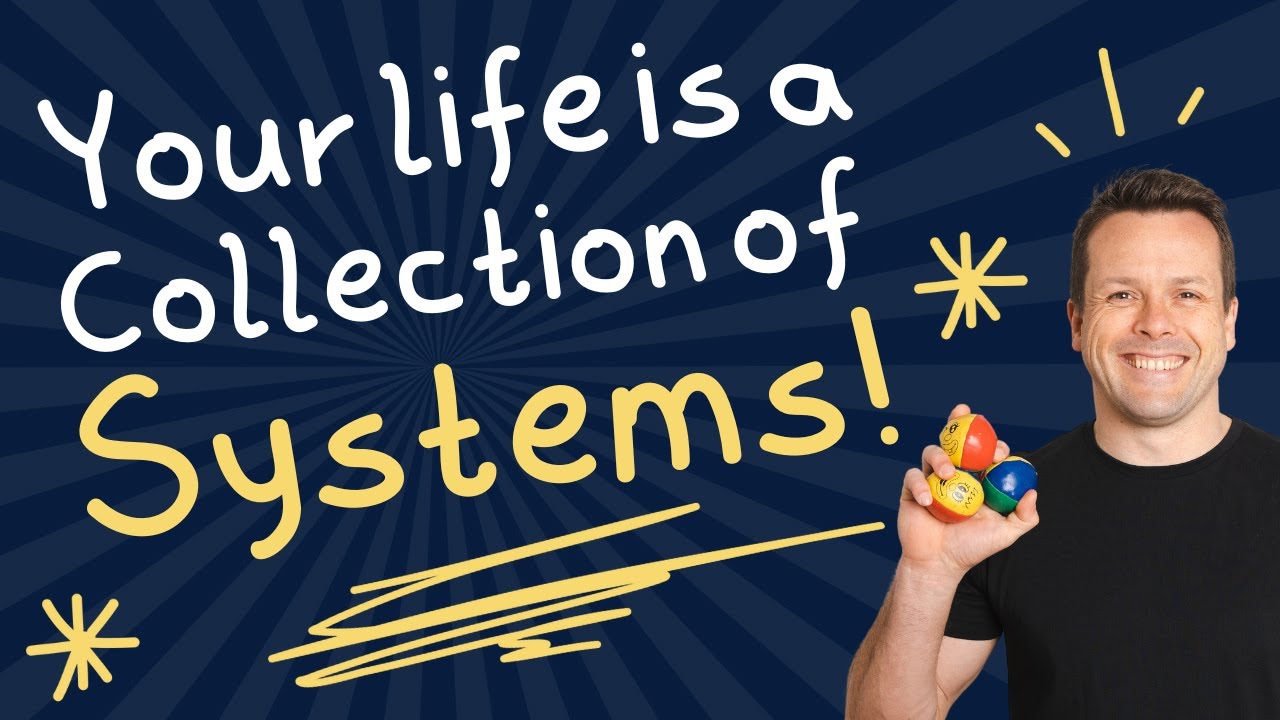
At the base level, life is a collection of systems. How you start your morning is a system. How your team answers the phone is a system. How a quote travels from your estimator to a client's inbox is a system. If you want the fuller definition, we've written one here.
What catches people out is what happens when nobody actually chose the steps.
Every System Is Perfectly Designed, Including the Ones You Never Designed
Take an example from outside business. If you're eating badly and you're not exercising, that's a system. Run it long enough and it will make you overweight. Whether you knew that was the case or not doesn't matter. You're still affected by the result.
Your business behaves the same way. The results showing up right now, the good ones and the bad ones, are what your current setup was built to produce. Those missed follow-ups aren't bad luck. They're the honest output of a follow-up process nobody ever wrote down.
Not a comfortable thought. It is a useful one, though, because it puts the lever back in your hands.
Not sure what the gaps are costing you?
Put a number on the work that falls over every time someone's away.
My Dad's Points Sheet
I should give my dad some credit here, because the first system I ever really saw was his.
Back in 1988 he wanted to gamify life for my brother and me. I was eight, Chris was ten. Dad built a thing we just called the sheet. You earned points for whatever he reckoned mattered: being good to your brother, cleaning the car, getting to bed on time. At the end of the week he'd tally it all up and that became your pocket money.
I worked out how to game it. I did incredibly well out of that sheet. He'd built in a bonus too, so clearing 500 points five weeks running meant he had to start paying out on top of the usual. Quite an elaborate setup, which I played for everything it was worth. In the end Dad rewrote the rules because he was paying out far too much.
Two things were happening there. Both of them apply to your business.
People Play to Whatever the System Rewards
The first is that my dad sat down and decided what the critical few things were. That sheet is a window straight into what he believed a good life was built on. He didn't list every possible thing a kid could do. He chose.
The second is that I never did what he was hoping I'd do. I did what the sheet paid me to do. That isn't a character flaw in an eight-year-old. It's what people do, in every business, every single time. Your team isn't ignoring your intentions. They're responding to what genuinely gets measured, noticed and rewarded. Gamification cuts both ways once you see it.
So when something keeps going wrong, the sharper question isn't who. It's what in here is quietly paying people to work that way.
Where to Start Looking
You can't redesign the whole business at once. Don't try. Start with the flow that brings clients in and takes care of them, because that's where the money and the reputation both live. Map how that flow actually runs today, not how you'd like it to run.
Then take the step causing the most pain and write down how the work genuinely gets done. That's where most owners find their first real win. For which parts of the business to work through afterwards, we've covered that separately.
Your business isn't broken. Your systems are. Nobody ever sat down and chose them, that's all. Choose them on purpose and your results stop being an accident. That's the whole job.
Ready to choose how your business runs?
Get your systems out of people's heads and into one place your whole team can use.